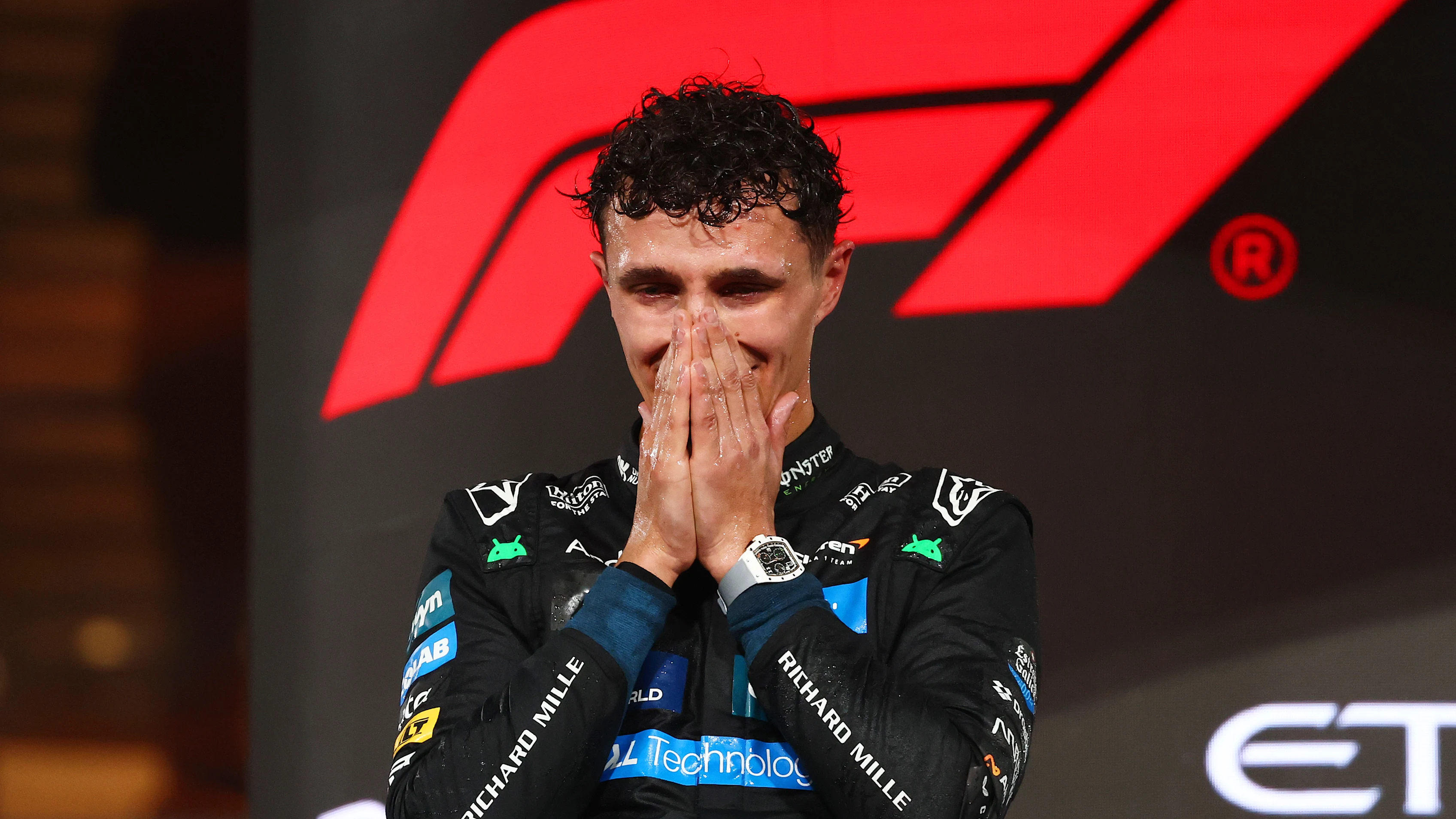
Gerhard Berger has aimed a rare and pointed broadside at the modern Formula 1 media machine, telling Austrian outlets the sport has slipped into a culture where drivers are coached on what they are allowed to say rather than trusted to say it. The 10-time grand prix winner, now 66, used Lando Norris and McLaren as his contemporary reference point — a politely framed but unmistakable shot at one of the grid's most carefully managed driver-team relationships.
"When I was racing, the driver was free to choose what to say," Berger said. "Nobody stepped in to modify or control his words." The contrast he draws with the present is not a vague nostalgia. He believes the change happened deliberately, when manufacturer involvement scaled and brand-protection became a more important currency than candour.
"From that moment, drivers were made to understand that certain statements could damage the brand's image," he continued. "Today, it often feels like they are almost told what to say and what to avoid."
That is a direct line to draw, and Berger has form for drawing them. The Austrian — a friend of Ayrton Senna's, a Ferrari race winner, and later a team owner and DTM chairman — has never had to manage a sponsor inbox in the social-media era. But his framing matches a pattern other paddock veterans, including Bernie Ecclestone, have flagged in the same period: that the loudest drivers of the 1990s would not survive a single sponsor meeting under 2026 standards.
The inclusion of Norris is striking. McLaren has spent the 2026 season visibly managing the dynamic between its two title-pace drivers, Norris and Oscar Piastri, with the kind of orchestrated press appearances and carefully framed statements that have already drawn accusations of "papaya" choreography. Earlier in 2026, Norris was reported to have been steered away from discussing battery management after the Japanese Grand Prix — a small, telling example of the exact phenomenon Berger is naming.
It is not a one-team criticism, however. Berger's broader case is structural. He argues the sport's commercial model now depends on a controlled, brand-safe driver product — the same product that Liberty Media's Drive to Survive and Apple's new US deal monetise — and that authenticity has been quietly traded away. "They are almost told what to say," is the key phrase. Not banned. Not muzzled. Told.
There is a counter-case. F1 drivers in 2026 still walk out of press sessions (Max Verstappen at Suzuka), still call their cars terrible (Lewis Hamilton in Japan), still complain on team radio about everything from gearboxes to podcasts (also Verstappen). Berger's argument is that those flashes are exceptions earned by either four world titles or a contract that protects them.
For everyone else, the rules have changed. Berger, who has "no plans" to return to F1 in any official capacity and prefers family time these days, is not pitching for a job. That is precisely why his critique cuts. He is not selling a book or a podcast — he is naming a culture that the people inside the sport know exists but cannot say out loud without risking the next interview slot.
Source: scuderiafans.com