After three races of the 2026 Formula 1 season, the consensus was uncomfortably close to consensus. The new energy-management formula was producing predictable racing, dominant Mercedes weekends and overtakes that owed more to top-speed deltas than driver craft. Miami, the fourth race, broke that pattern. The interesting question is why.
The FIA's pre-Miami tweaks were not a regulatory revolution. They were a targeted package aimed at the qualifying procedure, energy-deployment windows and the way DRS and battery harvesting interact at energy-rich circuits. The ambition was to give drivers more control of when their car had peak power available. The Miami weekend was the first proper test of whether the changes worked.
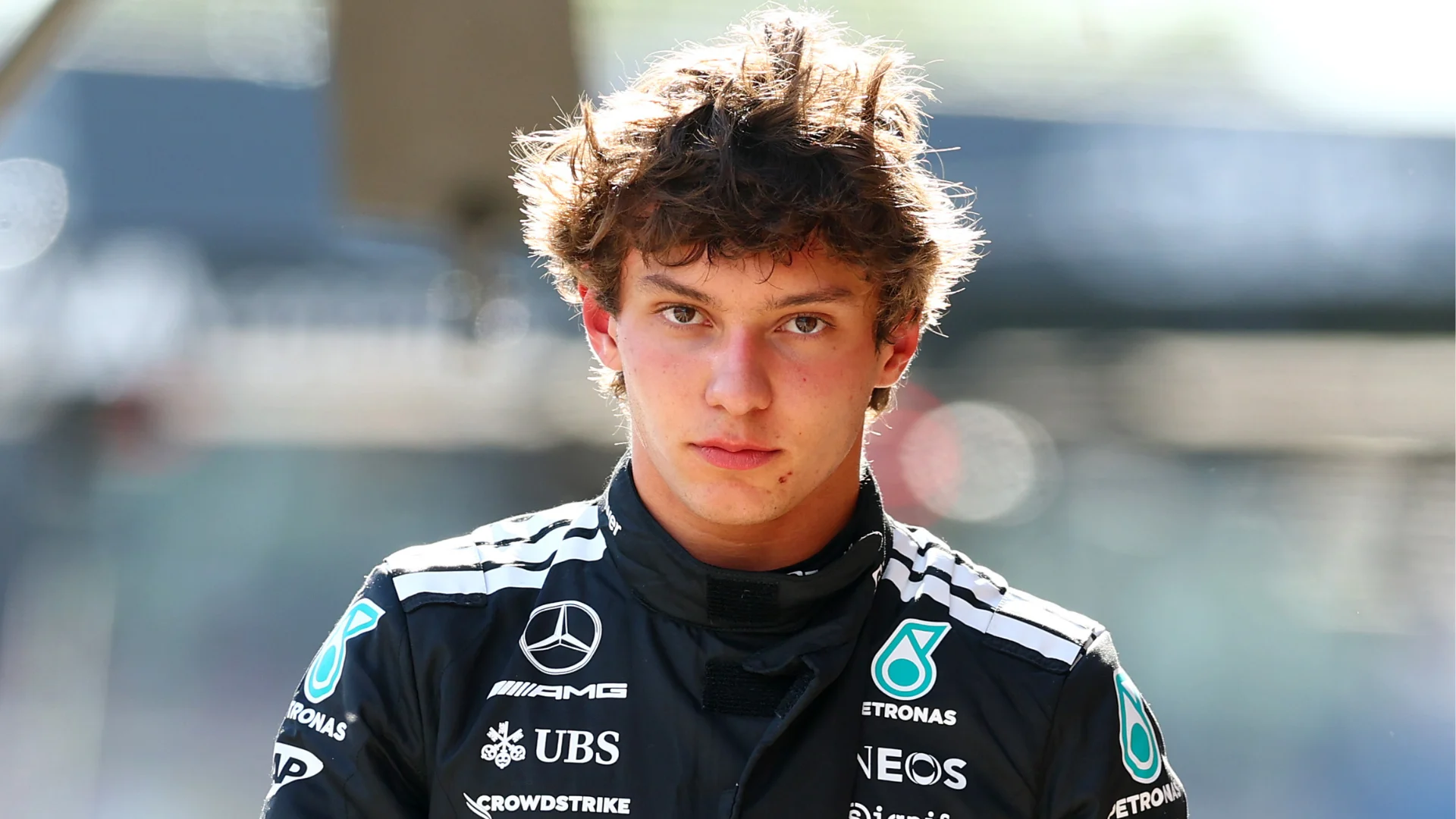
The sprint qualifying session set the early tone. For the first time in 2026, the top six were covered by less than six tenths of a second, and four constructors were swapping fastest sectors. Mercedes did not dominate the timing screens, and the racing from Saturday onward had a different feel. Lando Norris won the sprint with what looked like clean pace rather than a strategy gimmick, executing a launch that Antonelli could not match. "The Miami Sprint is underway. Lando Norris gets a good launch. Kimi Antonelli gets a bad one. He's been swallowed once again," was the call from the broadcast. It was the most competitive sprint of the season.
The Grand Prix itself confirmed that the package was working at race distance, not just over a single lap. Antonelli won, but he won by 3.264 seconds rather than the 20-second margins that defined China and Japan. Norris pushed him to the line. The overtaking battles at the front, particularly the multi-lap exchange between Norris and Antonelli, looked closer to traditional Formula 1 wheel-to-wheel racing than anything the season had previously produced. Verstappen, despite finishing nearly 49 seconds back, was repeatedly running other drivers wide into braking zones, the kind of late-lunge geometry the new rules had previously discouraged.
Not all of the credit belongs to the FIA. Miami is, by 2026 standards, an unusually well-suited circuit for the new regulations. It is energy-rich, with three big braking zones that allow drivers to top up the battery and only a handful of twisty sections where overtaking is structurally impossible. Imola, the next race on the calendar, will be a sterner test, with fewer obvious overtaking spots and a tighter corner sequence that punishes any car that runs out of deployment in the wrong place.
The FIA is also not finished. Discussions inside the technical working group continue around a 60/40 ICE-to-ERS split for 2027, the binning of the controversial 50/50 split, the so-called "mega-engine" concept floated by Toto Wolff and a possible 10 per cent reduction in race distance to ease cost-cap and fuel-flow pressure. Those are bigger structural moves, and they would not have been politically possible without the credibility Miami has just bought the current ruleset.
The verdict on whether F1 has saved its 2026 season is therefore premature. What Miami did prove is that the new regulations are responsive to small, well-targeted interventions, and that the racing problem the sport had through three rounds was not unfixable. If Imola and Barcelona produce the same kind of competitive shape, the conversation will shift quickly from "is 2026 broken" to "what does 2027 need to look like."
Source: youtube.com