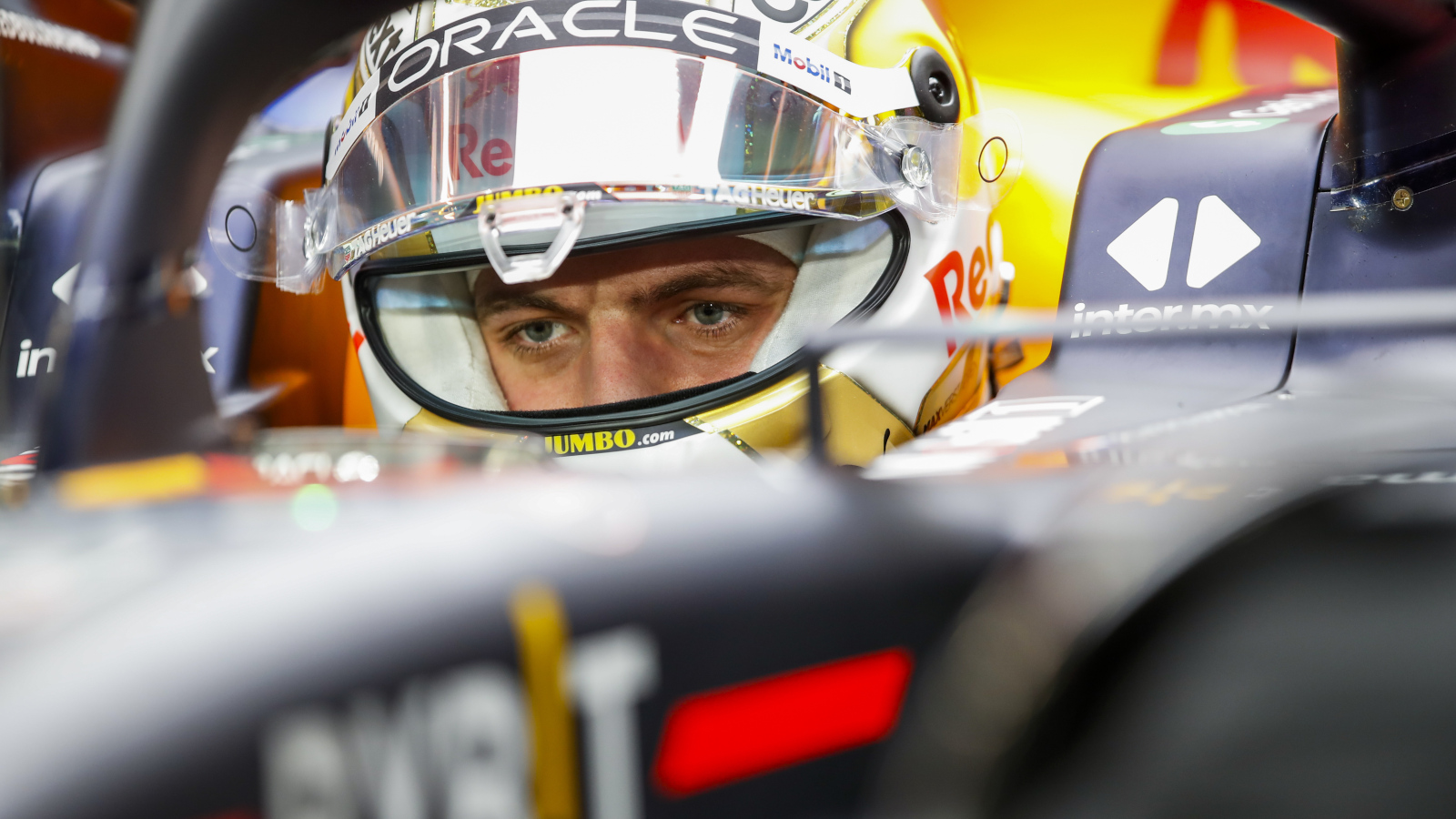
Formula 1's plan to soften its divisive 2026 engines for next season has run into serious trouble — and the consequences could reach all the way to Max Verstappen's future in the sport.
Verstappen has made clear he wants the championship to push through a planned overhaul of the current power units for 2027, and that his willingness to keep racing hinges on it. The current rules brought in engines split almost 50/50 between internal combustion and electric power, placing huge emphasis on energy management and producing the kind of yo-yo racing, with drivers swapping places depending on battery state, that many in the paddock dislike.
The intended fix is to increase fuel flow and cut the MGU-K's output in qualifying, shifting the balance closer to 60/40 in favour of the V6, potentially alongside greater battery capacity. The aim is to make the cars more predictable and the driving more natural. Between the Miami and Canadian races, the FIA announced there was agreement in principle to make those bigger changes.
During the Montreal weekend, however, it became clear the plan is in jeopardy for 2027. Under Formula 1's governance rules, changing the engine regulations for next year requires the backing of four of the six manufacturers to reach a supermajority on the power unit advisory committee. Right now, according to The Race, only Mercedes and Red Bull are confirmed supporters of implementing the change in 2027.
The blockers are revealing. Audi's resistance is described as primarily financial: as a manufacturer still finding its feet within a budget cap, committing to what could be a development programme of more than 10 million dollars is hard to justify, and it is said to be open only to minor tweaks rather than the full 60/40 target on such a short timeline. Ferrari's concern is competitive — it views the new ADO catch-up mechanism as its best route to closing the gap to Mercedes and does not want it reset or scrapped. Honda is regarded as more malleable and could fall into line if Audi shifts, while General Motors' Cadillac also has reservations.
For Verstappen, the stakes are personal. He began the Canada weekend striking a measured, optimistic tone, having earlier called the proposal "the minimum I was hoping for." But as doubt over the plan crept in, his position hardened. Asked again about staying, he was unequivocal: "It's just not mentally doable for me to stay like this." Sources close to him insist he is deadly serious and that a sabbatical does not interest him — if he walks away, it would be for good.
His frustration with the current engines remains raw. "The whole energy management stuff is just a joke. It's super painful," he said after qualifying. "You try to push more, then you have less energy. It has nothing to do with racing for me."
He is not alone. McLaren team principal Andrea Stella has reiterated that the existing tweaks introduced in Miami have helped but not solved the fundamental problem, and that any manufacturer blocking change for competitive or financial reasons is making a mistake. Red Bull's Laurent Mékies, whose team has an obvious interest in keeping its star asset happy, is said to be convinced common sense will ultimately prevail.
The FIA has not yet called a formal ballot because it knows the votes are not there. The hope is that Audi can be persuaded to move, with Honda expected to follow — which would hand Mercedes and Red Bull the four votes they need and leave Ferrari and GM unable to block it. The clock, though, is ticking, and the stakes stretch well beyond one driver.
Source: youtube.com