The journey to a Formula 1 seat begins years before drivers ever see the starting lights of a Grand Prix. While fans focus on race day performances, careers are forged through rigorous junior categories where drivers prove themselves under demanding conditions far from the F1 spotlight.
The launch of F1 Academy in 2022 expanded this system rather than reinvented it, adding another structured step to the already demanding ladder toward Formula 1. Combined with established series like FIA Formula 2 and Formula 3 championships, and powerful talent programs including the Scuderia Ferrari Driver Academy and Red Bull Junior Team, the pathway to motorsport's pinnacle has never been more organized—or more competitive.
Modern Formula 1 drivers rarely arrive by accident. Charles Leclerc was groomed through Ferrari's academy before dominating Formula 2, while George Russell claimed both GP3 and F2 titles before earning his top-level opportunity. Even reigning champions like Max Verstappen, while taking unconventional routes, benefited from structured junior backing through Red Bull's development system.
More recently, Oscar Piastri's remarkable rise through Formula 3 and Formula 2—winning both titles consecutively—demonstrated that the ladder system continues to produce elite talent. His immediate comfort in Formula 1 underscores how effectively today's junior series prepare drivers for the speed, complexity, and pressure of modern Grand Prix racing.
The established pathway remains clear: Karting to Regional Formula to F3 to F2 to F1, with academy support throughout. However, for decades this ladder wasn't equally accessible, with funding and opportunity often mattering as much as raw talent.
F1 Academy was created specifically to address this imbalance by providing young female drivers a clearer, more realistic route into single-seaters with proper support and direct links to Formula 1 teams. Marta García, the series' inaugural champion, exemplifies this shift—her title victory opened doors and facilitated her progression to higher levels of competition.
Meanwhile, prospects like Abbi Pulling have gained valuable experience through direct support from F1-affiliated programs. The key structural shift involves F1 teams aligning directly with female drivers at early development stages, providing funding, simulator access, coaching, and crucially, visibility that was historically lacking.
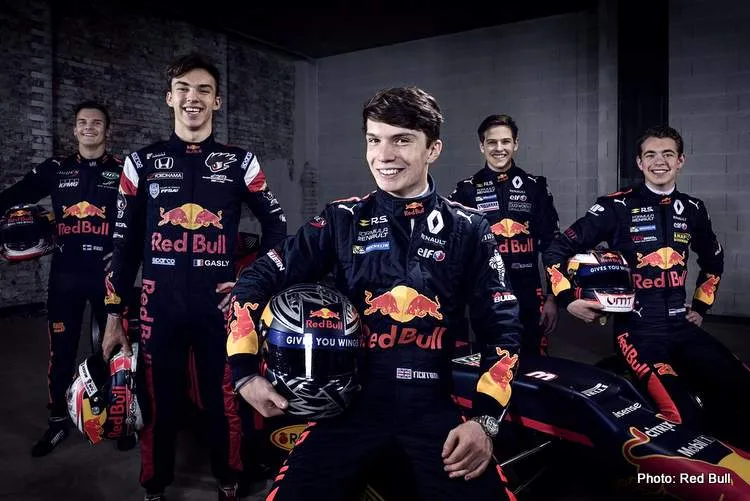
While F1 Academy expands access, major team academies remain the sport's primary gatekeepers. The Red Bull Junior Team has been famously ruthless but undeniably effective, fast-tracking young drivers and expecting immediate F1 readiness. Ferrari's academy treated youth development as long-term investment with Leclerc, while Mercedes backed Russell early and maintains close watch on talent across Europe's junior scene.
This collective focus has dramatically raised standards. Young drivers now face serious pressure long before reaching Formula 2, handling simulator work, engineering briefings, media duties, and sponsor management—often feeling like F1 drivers before earning the seat. The benefit emerges when they finally arrive in Formula 1 properly prepared.
Technical alignment plays a crucial role, with today's F2 and F3 cars designed to better mimic Formula 1's complexity from tire management to energy deployment strategies. This reduces the adaptation curve and explains why modern rookies integrate faster than previous generations.
Climbing the ladder now demands more than pure speed. While pace gets drivers noticed, staying in contention requires understanding data, managing tires under pressure, collaborating with engineers, and maintaining mental sharpness through grueling seasons. The modern pathway tests drivers' ability to think clearly at 300 km/h as much as their raw speed.
The business of driver development has become increasingly sophisticated, with teams investing significant resources into identifying and nurturing talent from karting onward. This professionalization ensures that when drivers finally reach Formula 1, they're not just ready to compete—they're prepared to excel.
Source: grandprix247.com