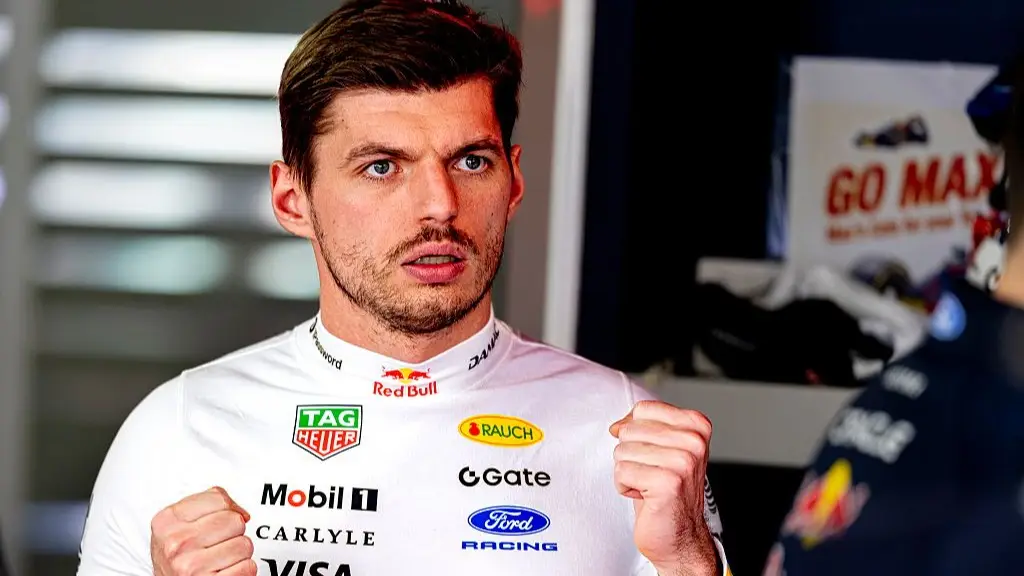
Formula 1 CEO Stefano Domenicali has stepped into the debate over Max Verstappen’s fierce opposition to the sport’s 2026 regulations, signalling that the championship must take the Dutchman’s feedback seriously. His intervention comes as the paddock weighs how far to refine the next rules cycle and how best to incorporate driver input.
Under the framework due in 2026, F1’s power units are set to split output roughly 50/50 between internal combustion and electric power. Verstappen has been among the most outspoken critics, likening the concept to Formula E “on steroids” and calling the direction less “fun”, “anti-racing” and akin to “playing Mario Kart”.
On track, the Dutchman has yet to claim a podium and sits ninth in the standings. The calendar is currently on pause following the cancellation of the Bahrain and Saudi Arabian Grands Prix.
Verstappen has also hinted he is reassessing his future. After the Japanese Grand Prix, he said: “I’m thinking about everything inside this paddock.”
“Privately, I’m very happy. You also wait for 24 races. This time it’s 22, but normally 24. And then you just think about: is it worth it? Or do I enjoy being more at home with my family?”
“Seeing my friends more when you’re not enjoying your sport?”
Domenicali, speaking to Autosport, stressed the sport should not dismiss Verstappen’s perspective. “He’s the best driver, he’s a world champion, a multiple world champion, and his voice has to be listened to,” he told Autosport.
“With Max, we have spoken many, many times,” Domenicali added. “So we understand that I understand his comments and he understands the bigger picture.”
“Even today he has been in a meeting where he was very keen to give suggestions. I don’t want to fall into the trap of trying to create antagonism because that’s not me. It’s not the way we want things to be.”
“He knows his voice carries weight and he needs to respect that. Sometimes people can take it the wrong way, and this is something we should not allow to happen.”
Talks among F1 stakeholders are scheduled later in April, ahead of the Miami Grand Prix on May 3. Potential changes have already been discussed during the current break, with F1, the teams, manufacturers and commercial rights holders all involved.
What to watch next: whether the upcoming meetings yield concrete refinements to the 2026 regulations and how the sport balances its efficiency goals with drivers’ concerns about racing quality and spectacle.
Source: sportbible.com