<p>Formula 1 has always been a sport defined by the rawest expression of human skill at extreme speed. But a growing chorus of drivers is warning that the balance between man and machine has tipped too far — and not in favour of the person behind the wheel.</p>
<p>Lando Norris has become one of the most vocal critics of the current energy recovery systems, revealing a startling lack of control over his own car during races. According to the McLaren driver, he couldn't stop the car from deploying energy, even when he didn't want to overtake.</p>
<p>The admission is striking. In a sport where milliseconds and split-second decisions define outcomes, Norris is essentially saying the car made tactical choices for him — choices he actively disagreed with.</p>
<h2>When Mistakes Don't Matter</h2>
<p>Ferrari's Charles Leclerc has highlighted an equally troubling dimension of the issue. The Monégasque driver revealed that a mistake in qualifying didn't even cost him time, suggesting the car's automated systems compensated for his error.</p>
<p>On the surface, that sounds like impressive engineering. But for purists and drivers alike, it raises an uncomfortable question: if the technology smooths out human error, what separates the best drivers from the rest?</p>
<p>The entire appeal of Formula 1 rests on the premise that these are the most skilled drivers in the world, pushing machinery to its absolute limit. If software can paper over a qualifying mistake with no time penalty, the competitive hierarchy starts to feel artificial.</p>
<h2>Safety at Stake</h2>
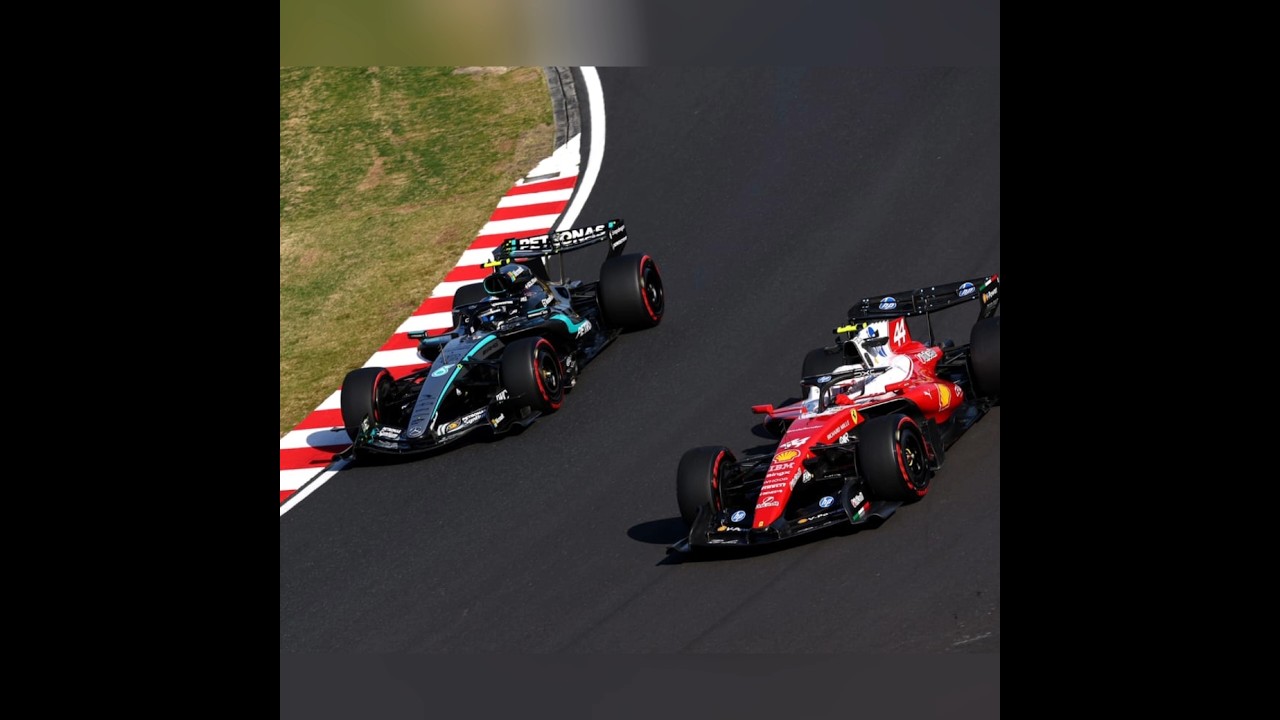
<p>The implications extend beyond sporting integrity. At Suzuka, a crash was caused by massive closing speed differences created by how the energy deployment systems worked. When one car is deploying full power and another has run out of stored energy, the speed differential can be enormous and sudden — giving trailing drivers almost no time to react.</p>
<p>Carlos Sainz has added his voice to the safety concerns, warning specifically about the dangers on street circuits. "If this happened in Baku or a street circuit Singapore where there wasn't a runoff area, you know, where someone would have just gone into the back of somebody else and maybe a car's fle like it could have been a really different outcome," the Williams driver cautioned.</p>
<p>Sainz's point is stark. Open circuits with gravel traps and runoff areas offer margins for error. Monaco, Baku, Singapore, and Jeddah do not. A sudden 50 km/h speed drop on a narrow street circuit with concrete walls could produce catastrophic consequences.</p>
<h2>AI Racing?</h2>
<p>The philosophical question hanging over the sport has been bluntly stated by analysts and paddock insiders. "If the car decides when to deploy power, if it dictates overtakes, if it even smooths out mistakes, what exactly is the driver doing? Is this still Formula 1 or is this just AI racing?"</p>
<p>It's a question that cuts to the heart of F1's identity crisis. The sport has always embraced technology — that is its DNA. But there is a difference between technology amplifying driver talent and technology replacing it.</p>
<p>Active suspension, traction control, and ABS were all banned in previous eras precisely because they reduced the driver's role. The current energy management systems may not carry those names, but the effect described by Norris and Leclerc sounds remarkably similar.</p>
<h2>What Happens Next</h2>
<p>The FIA is reportedly exploring technical fixes to the energy deployment rules, with six potential solutions under consideration including adjustments to super clipping power thresholds, deployment limits, and active aerodynamic interventions.</p>
<p>But any changes need to arrive quickly. The 2026 regulations — which introduce even more aggressive hybrid power units — threaten to amplify these problems rather than solve them. Drivers have already tested the 2026 cars and flagged dangerous "super clipping" behaviour where cars suddenly lose massive speed when battery power runs out.</p>
<p>For now, the drivers have drawn their line. They want to race, not manage software. Whether the FIA and teams listen before a serious incident forces their hand remains the critical question heading into the next phase of the season.</p>
Source: youtube.com