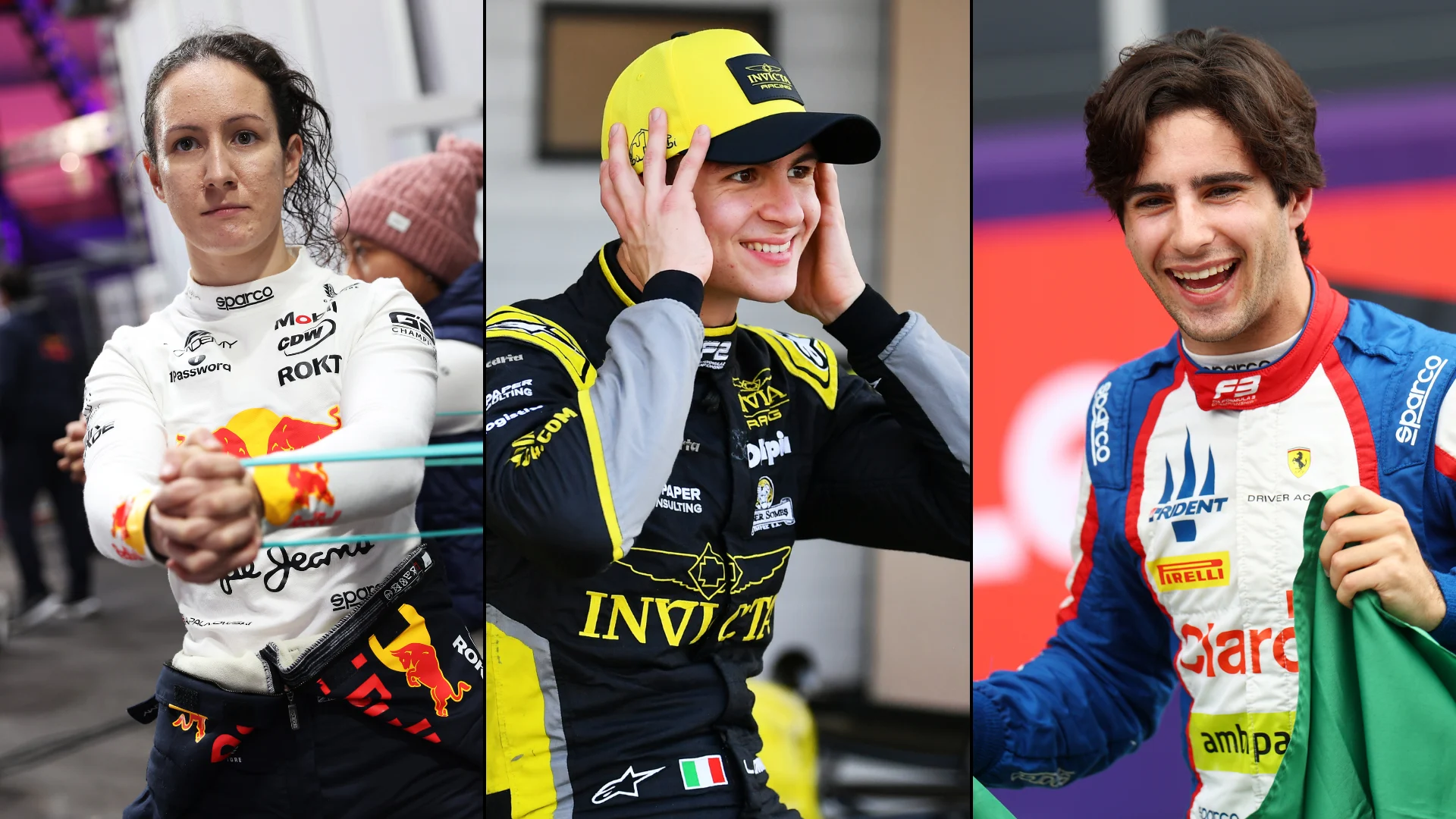
The pathway to Formula 1 has never been more competitive, with eight junior series graduates from the past five years securing positions on the 2026 grid. Racing Bulls' Arvid Lindblad demonstrated the accelerated timeline modern prospects face, transitioning from Formula 4 to F1 in just four years.
Leading the charge among established talents making strategic moves is Colton Herta. The nine-time IndyCar race winner and 2024 series runner-up has taken the unprecedented step of switching to Formula 2 with Hitech to pursue super license points. The American last raced outside North America in 2016 and faces the challenge of adapting to a completely different racing environment.
Cadillac, despite not yet making their F1 debut, have already identified Herta's potential by naming him their test driver. Team Principal Graeme Lowdon will be watching with interest to see how Herta adapts to F2, but the 25-year-old is not underestimating the challenge as he goes "back to basics".
Another world champion making a dramatic discipline switch is Kalle Rovanperä. The two-time World Rally Champion and youngest titleholder in WRC history has sent shockwaves through motorsport with his move to single-seaters. Backed by Toyota alongside being a Red Bull athlete, the Finnish driver is taking advantage of the Formula Regional Oceania Trophy during the winter break to prepare for his Super Formula campaign with KCMG.
British talent Luke Browning represents the more traditional development path, though his 2025 F2 campaign didn't yield the championship results many anticipated. The Williams reserve driver comfortably outperformed fellow Williams junior Victor Martins and narrowly finished his rookie season fourth in the standings, just 13 points off the vice champion position.
These drivers represent just three of the twenty most exciting prospects identified across multiple racing categories. Their diverse backgrounds—from American open-wheel racing to world championship rallying to conventional European single-seater progression—demonstrate the global nature of Formula 1's talent identification network.
The 2026 season will be critical for these aspiring drivers as they compete across Formula 2, Formula 3, Super Formula, and other premier junior categories. Team principals and talent scouts will be closely monitoring their adaptation to new machinery, racecraft development, and ability to handle the pressure of competing against the world's best young drivers.
With multiple F1 teams evaluating long-term driver options and new manufacturers like Audi and Cadillac entering the sport, opportunities for these prospects could emerge faster than traditional timelines might suggest. The coming season will separate those truly ready for Formula 1's ultimate challenge from those needing further development.
Source: formula1.com