Formula 1 stakeholders will convene on April 9 for a high-stakes rules summit aimed at ironing out early problems with the 2026 regulations. Six potential fixes are on the table, with the target of approving changes in time for the Miami Grand Prix on May 3.
The opening three races have exposed both strengths and shortcomings of the new rules. While officials are not planning immediate action on the "yo-yo" racing dynamic that has split opinion, there is broad paddock agreement that other areas require urgent attention.
Safety tops the agenda following Ollie Bearman's high-speed crash at the Japanese Grand Prix, from which he escaped serious injury. The incident was triggered by an approximately 50km/h speed offset between Bearman's Haas in boost mode and the energy-saving Alpine of Franco Colapinto ahead. McLaren's Andrea Stella had repeatedly warned this risk needed addressing before an accident occurred, and, as Bearman's Haas boss Ayao Komatsu put it: "We just cannot ignore it."
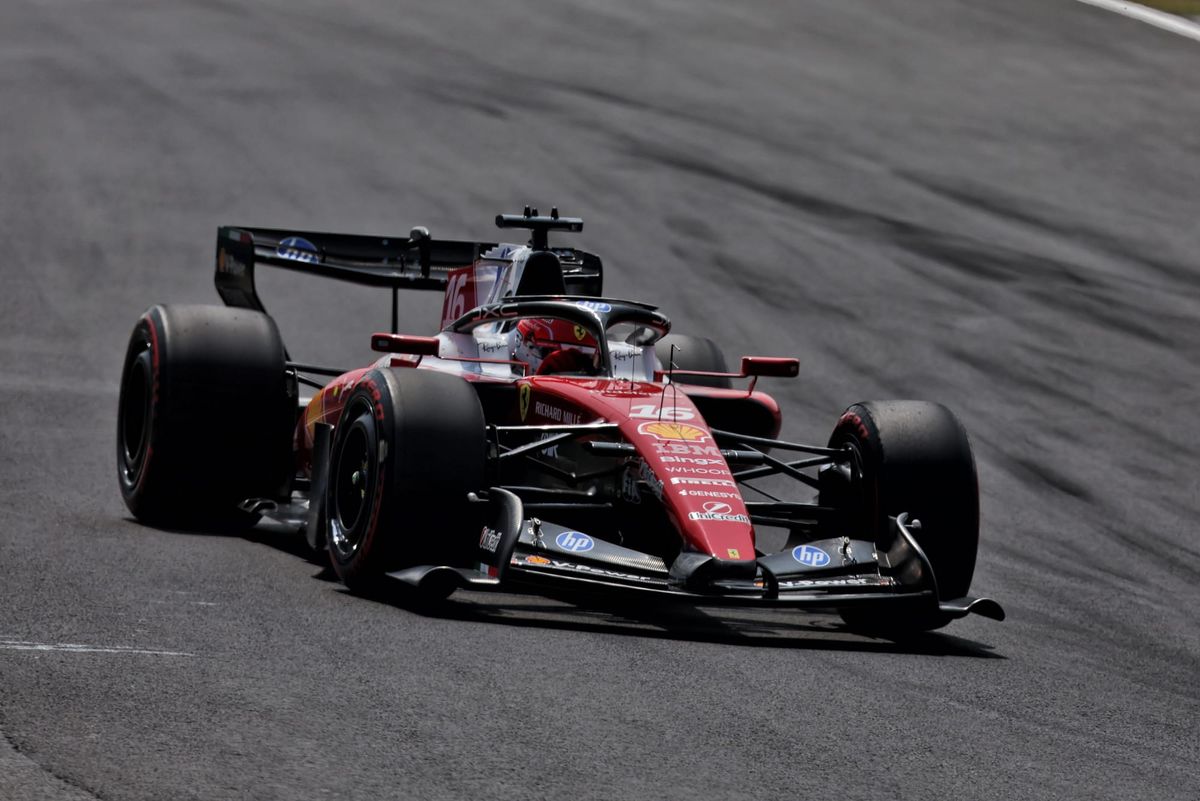
Qualifying has also suffered in 2026, with drivers lamenting the loss of flat-out, on-the-limit Q3 laps. Excessive energy management has normalised lift-and-coast and super-clipping strategies, and recent analysis after China highlighted algorithm quirks that can confuse the cars from minor driver inputs, as a Charles Leclerc case study showed.
Another flashpoint is the stark drop in speed at the end of straights once battery power is depleted. Whereas in the previous era Vmax was often reached slightly before braking zones, the latest cars decelerate far more dramatically in the final metres. The run to Turn 9 in Melbourne drew heavy criticism, and the same was seen at Suzuka on the approach to 130R; as Lando Norris remarked, "It still hurts your soul seeing your speed dropping so much, 56km/h down the straight."
Visually, the problem is compounded by the engine note tailing off on onboard cameras. The objective now is to flatten the speed curve so peak velocity shifts from mid-straight to the end.
Although these issues differ in nature, solutions in one area can deliver gains in others. Detailed data has been gathered since pre-season testing, and modelling is under way to quantify how any changes would play out.
One proposal is to increase the power that can be harvested under super-clipping — i.e. harvesting while still at full throttle. The current limit is 250kW, compared with 350kW available via lift-and-coast; equalising super-clipping to 350kW would make it the preferred strategy, reducing the need for lift-and-coast and the risk of extreme closing speeds.
A second avenue is paradoxical at first glance: make the cars "slower" by trimming peak electrical deployment so drivers can push more consistently. Cutting the 350kW maximum deployment would stretch energy delivery across the straight so the battery lasts longer, restoring more flat-out running. This has long existed as an FIA back-up plan and was discussed early last year, with teams asked to trial it during pre-season testing in Bahrain; another option being weighed is to mandate that MGU-K deployment ramps down much earlier than it does now.
The April 9 meeting will bring together team technical chiefs, engine manufacturer representatives, and the leadership of the FIA and F1. The aim is to agree a package of tweaks that can be implemented swiftly, ideally before Miami.
What to watch next: whether any or all of these measures are signed off, how the balance between harvesting and deployment is reset, and what safety directives emerge to manage speed differentials. Clarity on the timeline — especially any changes effective for Miami — is expected once stakeholders conclude next week's summit.
Source: the-race.com