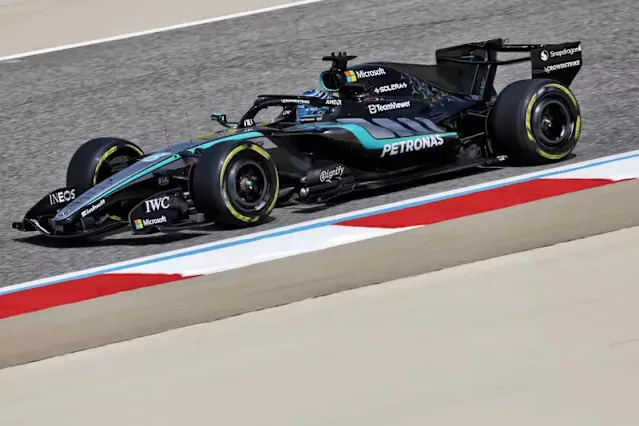
The FIA has signed off on a slate of Formula 1 sporting regulation updates for 2027, highlighted by revised winter testing arrangements. The measures, ratified by the World Motor Sport Council, are intended to give teams greater preparation time as the sport enters its next phase of technical evolution.
Under the revised plan, teams will have additional opportunities to evaluate their cars before the 2027 season begins. This marks a shift from the recent trend of tightening pre-season mileage driven by cost-control measures, with the governing body deeming that the forthcoming regulatory adjustments warrant a modified approach.
The rationale is straightforward: Formula 1 machinery is growing more complex, and extra testing helps manufacturers uncover reliability issues early. Those miles also provide crucial data on aerodynamics, power-unit performance, cooling efficiency and tyre behaviour, lowering the risk of major problems surfacing at the opening round.
The testing changes arrive alongside continued work on Formula 1’s next-generation technical package. Recent discussions between the FIA, teams and engine manufacturers have produced agreement on further power-unit changes for 2027, moving away from the current 50-50 split between combustion and electric power toward an approximate 60-40 balance.
According to the governing body, the objective of that adjustment is to reduce excessive energy management and encourage a more aggressive racing style. The shift reflects ongoing refinement of how power delivery is balanced in the next regulatory cycle.
The decision is particularly significant for newer manufacturers entering Formula 1’s future engine landscape, as well as existing suppliers. Additional pre-season running allows them to identify reliability concerns and collect the performance data needed to integrate their power units with evolving chassis concepts.
Details on the exact testing format, dates and mileage limits were not specified in the report. Further clarity is expected as the 2027 sporting regulations and technical framework are finalized and published.
What to watch next: the finalized pre-season testing schedule for 2027 and any additional guidance on the power-unit balance. Teams’ development programmes will increasingly reflect the new parameters as the sport moves toward its next technical iteration.
Source: sports.yahoo.com