The FIA and Formula 1 drivers have reached alignment on several priority changes to the 2026 technical framework after a collaborative meeting on Friday, with sources describing the exchange as 'extremely positive'. The convergence comes ahead of a decisive vote on Monday focused on energy management and deployment rules.
On Monday, the FIA, FOM, team bosses and power unit manufacturers are due to table and vote on proposals aimed at refining how energy is harvested and deployed. The session is expected to address racing dynamics and safety without imposing wholesale changes to the rule set.
The 2026 regulations have dominated discussion across the first three race weekends due to the unusual driving styles they demand. With power units considered 'energy-starved' by the near 50/50 split between internal combustion engine and electrical output, drivers have had to harvest into a 4mJ battery to maintain deployment around a lap, prompting extended 'lift-and-coast', downshifts on straights and a more passive approach to corners.
An engine-mapping approach dubbed 'superclipping' — in which power from the ICE bleeds away as it is harvested into the battery at 250kW — has further altered the feel of race weekends. Together, these characteristics have reshaped the rhythm of practice, qualifying and the races.
Many drivers have been openly critical, arguing that corners are increasingly energy-limited rather than grip-limited — a fundamental shift from F1’s traditional edge. High-profile voices, including Max Verstappen and Carlos Sainz, have called for adjustments amid a broader consensus that the driving experience has been diminished.
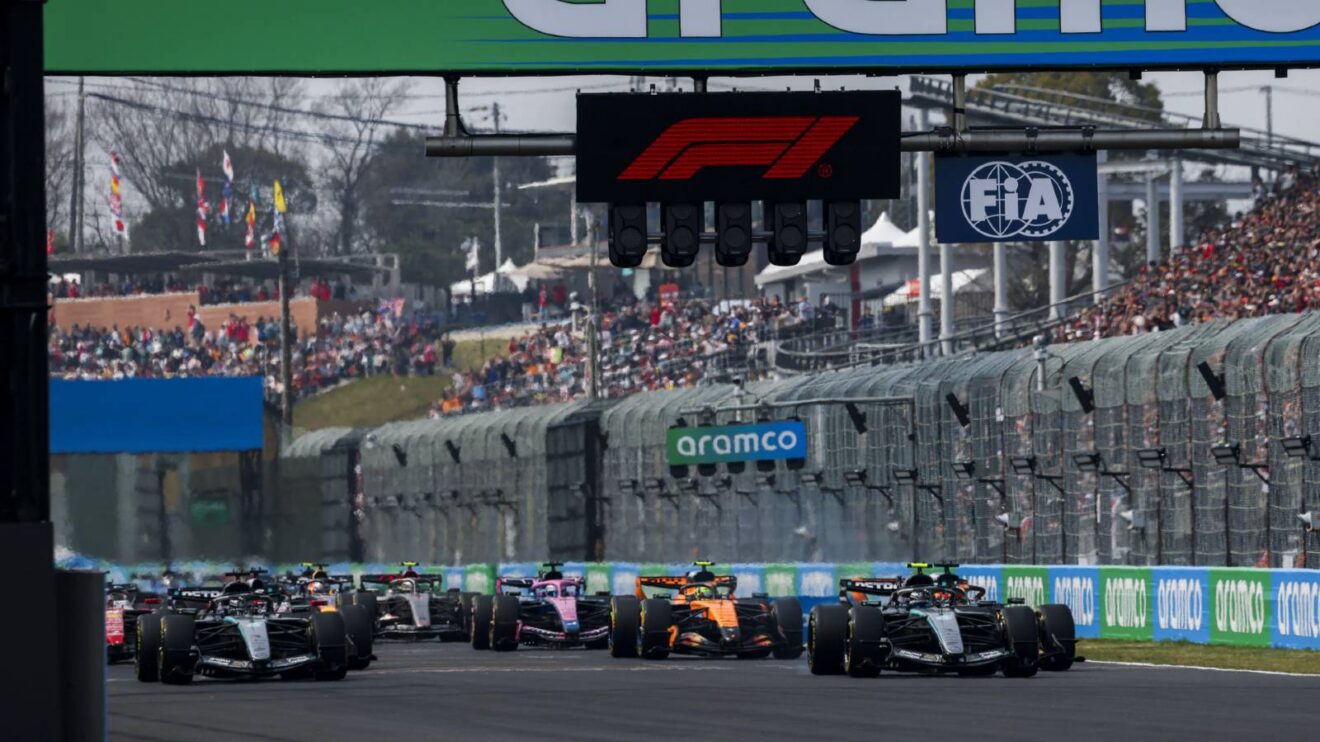
Safety concerns crystallized at Suzuka, where algorithm-controlled energy deployment created large closing-speed deltas. Oliver Bearman suffered a heavy accident in the Japanese Grand Prix while taking avoiding action to miss Franco Colapinto’s Alpine; with differing deployment states, Colapinto was about 50km/h slower into Spoon. Bearman hit the barriers in a 50G impact but escaped unhurt.
A gap in the calendar created by the cancellation of the Bahrain and Saudi Arabian Grands Prix has allowed stakeholders to pore over data from the opening three rounds. Two meetings of technical experts have already explored ways to massage the regulations toward a more natural driving experience and to reduce the potential for dangerous incidents.
Wholesale change is not anticipated. Among the leading options under discussion are reducing the maximum harvestable energy per lap from 8.5mJ, which would likely slow overall lap times but ease the need for unusual harvesting techniques. Another proposal would increase the 'superclipping' harvesting rate to 350kW, shortening the periods of top-speed bleed.
Drivers have also voiced frustration about their influence on governance, with some arguing they do not have a voice on decision-making committees. The discontent is understood to be directed as much at teams’ 'vested interests' — which can diverge from drivers’ priorities — as at formal structures.
Friday’s FIA–drivers meeting was described by sources as 'extremely positive' in establishing common ground on potential tweaks, with GPDA director George Russell a prominent participant. Speaking to media on Friday, Russell indicated there are several key changes that drivers want addressed.
Attention now turns to Monday’s vote, where the balance between performance, energy recovery and safety will be scrutinized. Watch for whether proposals on lap-harvest limits and 'superclipping' rates are adopted, and for clarity on the scope and timing of any approved tweaks.
Source: planetf1.com