Nico Hülkenberg has pushed back against mounting criticism of Formula 1’s 2026 power-unit regulations, arguing the series must keep pace with technology and that disenchanted viewers are free to switch off. In an interview with The Drive, the Audi driver contrasted sharply with louder voices on the grid who have lambasted the new rules.
The 2026 framework has split opinion among fans, pundits and drivers. Max Verstappen has been among the most vocal detractors, comparing F1 to Formula E, calling the regulations “anti-racing” and likening them to “playing Mario Kart,” while several other drivers — including Charles Leclerc, Lando Norris and Fernando Alonso — have also voiced concerns about how the cars race.
In response to early feedback, refinements came into effect for the Miami Grand Prix, with the FIA announcing on May 8 that further changes are planned for 2027. In a statement, the governing body confirmed an agreement in principle with power unit manufacturers Mercedes, Ferrari, Red Bull Powertrains, Audi and Honda. According to reports, the 2027 tweaks could target either a 55/45 or 60/40 split between internal combustion and electrical energy.
Verstappen, however, has urged a more dramatic swing back toward combustion power. “We simply need to move away from that 55–45 split,” he told Autosport . “We need to go back towards how it was under the previous hybrid regulations, at the very least. If you get back to 75% or 80% combustion engine, that would already help a lot.”
Hülkenberg took a different view, stressing that Formula 1’s identity is rooted in technological leadership. Speaking to The Drive, the German said: “To be honest, it’s always been like that in F1, hasn’t it?
“F1 is about leading in technology, and you have to go with the times. If you look at the automotive industry five years ago, 10 years ago, it’s different now — it has changed.”
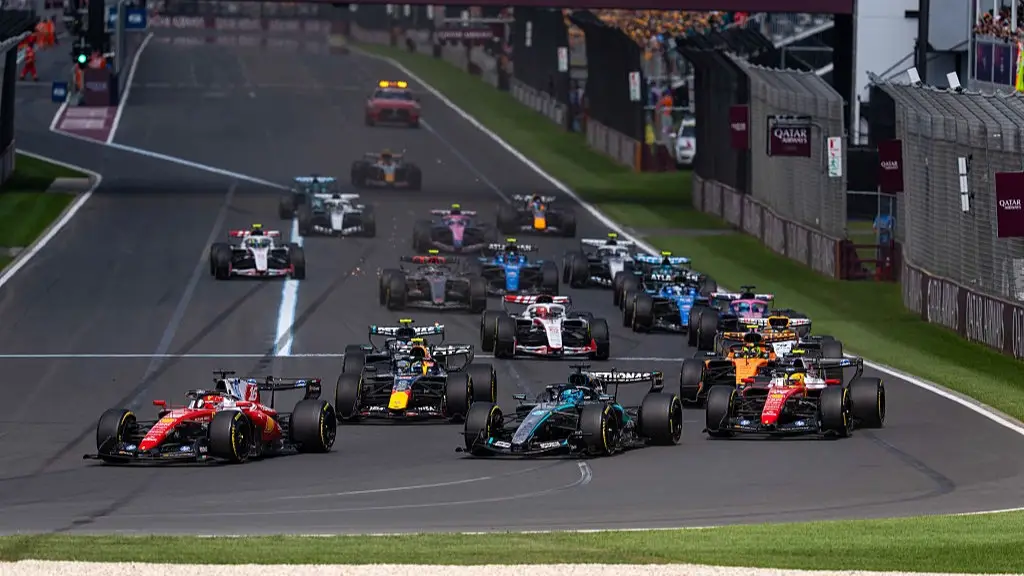
Highlighting the spectacle under the new rules, he added: “I think when you look at the racing now, the first races we’ve had [in 2026], it’s been entertaining. It’s been good to watch, with plenty of on-track action.
“And I mean, if you don’t like it, you don’t have to watch.”
Drawing on his long experience, Hülkenberg acknowledged the pull of nostalgia even as he underscored present-day realities. “Obviously, you have these purists who love the old-school sound of a naturally aspirated V10 and V12 — including myself — but the reality is that it doesn’t work like that.
“A few years ago, sustainability was a huge topic; now, less so.”
“But, you know, I kind of feel like F1 and its rule-makers were pushed a little bit in that direction to stay with current times. If you want to stay up to date and be a legitimate business and entertainment model, you have to go down that road.”
Hülkenberg debuted in 2010 with Williams during F1’s 2.4-litre V8 era, before the championship shifted to 1.6-litre V6 turbo-hybrids in 2014. His perspective spans multiple technical cycles, reflecting how fast the sport — and the wider automotive industry — evolves.
F1 returns in Canada on May 24. All eyes will be on how the 2026 cars race on a different type of circuit and whether the FIA and manufacturers firm up the 2027 power split, as the debate over the direction of the rules continues on and off the track.
Source: sportbible.com