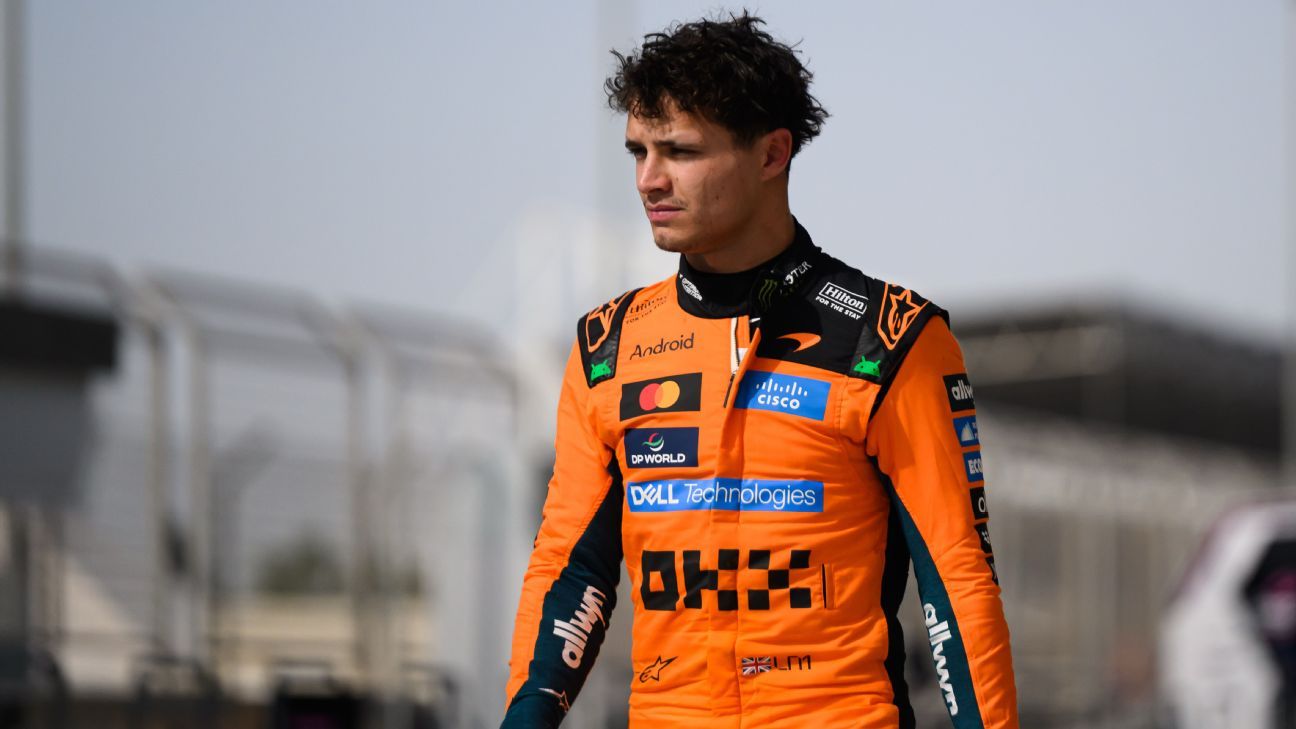
Several Formula 1 drivers left Saturday qualifying at the Japanese Grand Prix underwhelmed by how the 2026 power unit regulations have reshaped a lap of Suzuka. Lando Norris and Fernando Alonso were among those voicing concern that the session no longer delivers the circuit’s traditional, flat-out intensity.
A threefold increase in the deployment of electrical power under the 2026 rules has created scenarios in which cars either exhaust their electrical boost or are compelled to harvest energy on the straights and even through corners. That energy management burden, rather than outright grip, often dictates how drivers tackle sections of the lap. The effect is especially stark at a track famed for high-speed commitment.
In qualifying trim, several of Suzuka’s iconic fast corners looked blunted as drivers recharged batteries instead of pressing to the limit. The two main straights also produced atypical speed traces, with cars slowing well before the braking zones as engine output was diverted to replenishing the hybrid system — a process known as 'super clipping' — or as drivers lifted off and coasted. The result was a visible dip in top speeds long before turn‑in points.
Slower cornering speeds and irregular straight‑line profiles have been recurring complaints since the new rules arrived, and Suzuka offered no exception. The phenomenon has been particularly evident in qualifying, when drivers traditionally extract peak performance over a single lap.
Lando Norris captured the frustration over the trend. "It still hurts your soul when you see your speed dropping so much -- 56 kph down the straight," said Norris, referring to his McLaren's top speed.
Fernando Alonso has been outspoken since preseason testing, when he argued he was circulating so far below the limit in high‑speed corners that even Aston Martin’s chef could have taken the wheel. In Japan he suggested the essence of a full‑commitment Suzuka qualifying lap has been lost.
For now, the combination of increased electric deployment and aggressive harvesting is redefining how drivers approach both corners and straights at one of F1’s ultimate driver circuits. The balance between battery state‑of‑charge and engine power is visibly shaping lap profiles as much as tyre grip.
Attention now turns to the grand prix, where energy management strategies and the timing of harvesting could prove just as influential as outright pace.
Source: espn.com