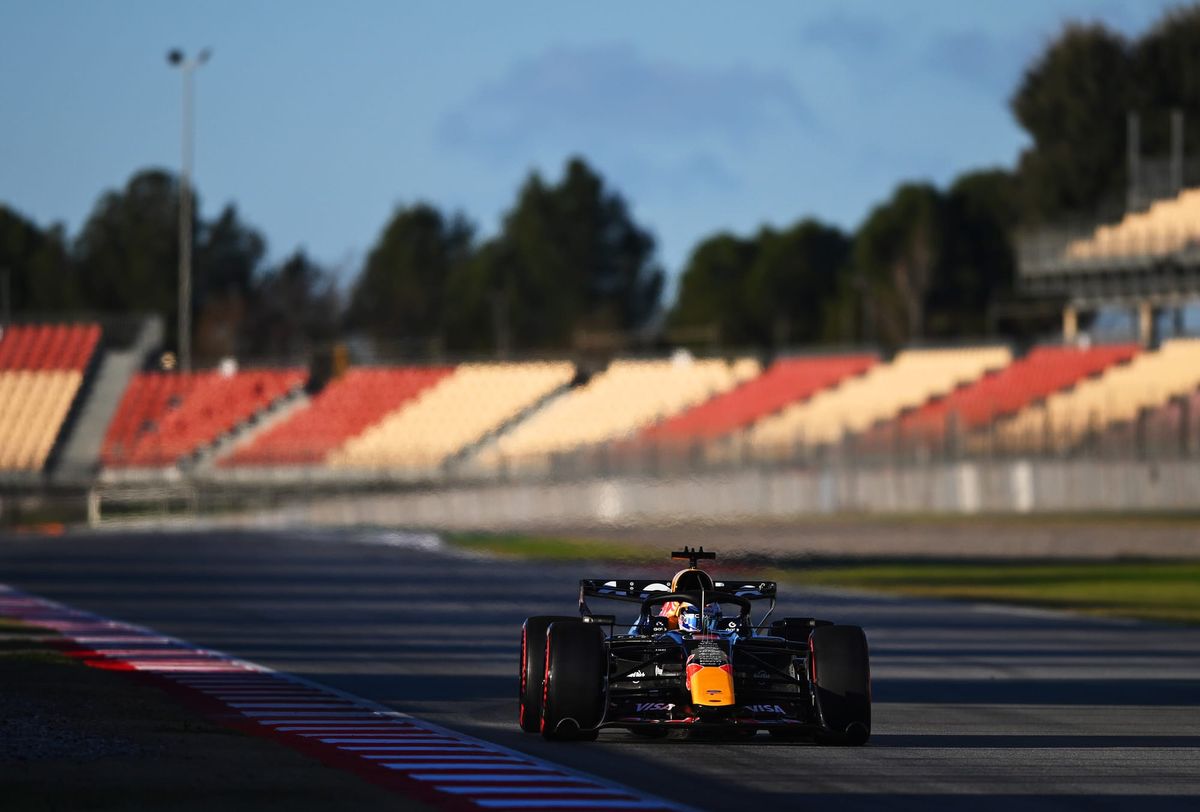
As the world of Formula 1 prepares for a shift in dynamics with the introduction of 11 teams on the grid in 2026, understanding the qualifying format becomes essential. This exciting hour is the perfect opportunity to witness drivers and their machines at peak performance, and the rules are undergoing significant changes.
The qualifying format, which consists of three parts—Q1, Q2, and Q3—is a knockout system that progressively narrows down the field of drivers. "Q1 lasts for 18 minutes, followed by Q2 for 15 minutes, and finally Q3 with a duration of 12 minutes," explained a Formula 1 technical analyst. This system dramatically enhances the competitive nature of qualifying, especially as two new teams, including Cadillac, join the mix.
> "Q1 lasts for 18 minutes, followed by Q2 for 15 minutes, and finally Q3 with a duration of 12 minutes,"
Qualifying
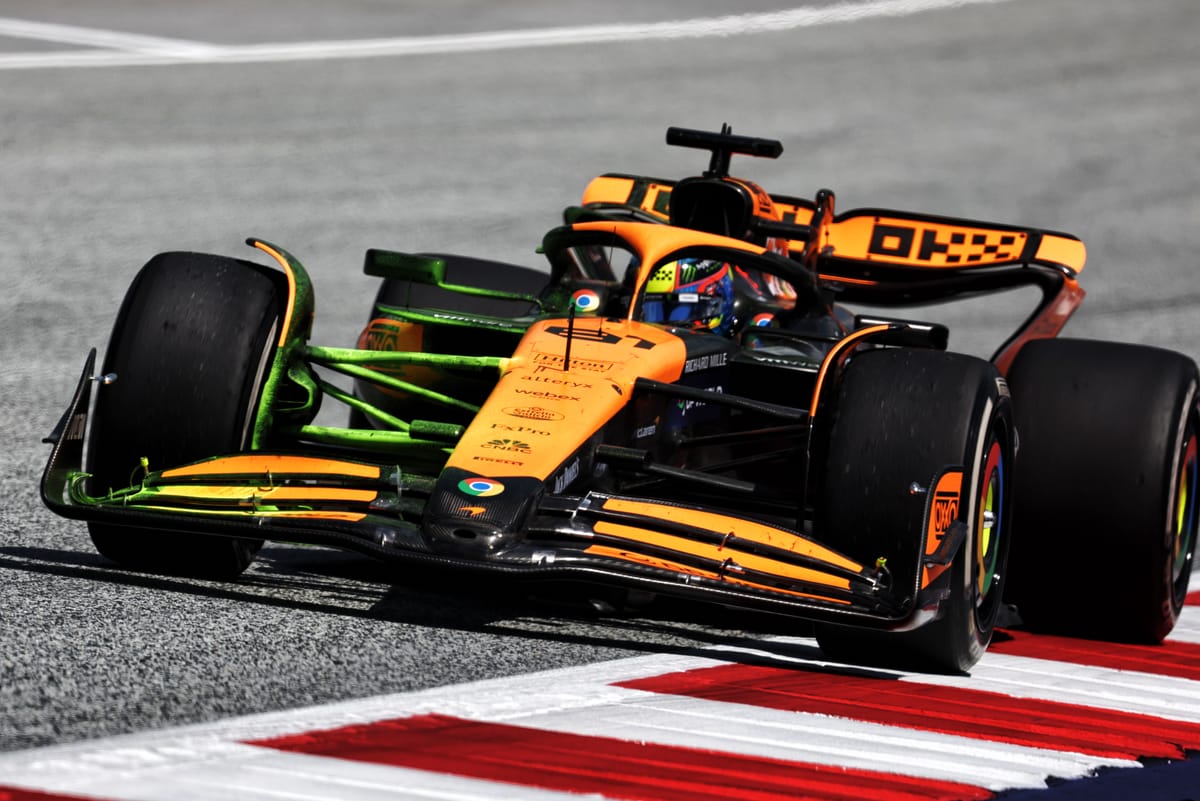
Previously, during the Q1 session, the five slowest drivers were eliminated, determining grid positions 16 through 20. However, starting in 2026, the slowest six drivers will be knocked out. “This adjustment reflects the increased competition with the addition of Cadillac, ensuring that their performance is considered in the initial elimination rounds,” outlined a team strategist. The faster lap times logged by the remaining drivers after Q1 will set the starting positions between 17th and 22nd.
Related: [Russell Wins Thrilling Chinese GP Sprint After Six Lead Changes](/article/russell-wins-thrilling-chinese-gp-sprint-after-six-lead-changes)
Qualifying
Qualifying
Qualifying
In Q2, things become even more intense as the remaining drivers try to secure their spots for the ultimate pole position showdown. After resetting the lap times from Q1, another six drivers will be eliminated, leaving positions 11 to 16 decided. This ensures that only the top-performing drivers make it to Q3, as the stakes rise for the final twelve minutes.
Qualifying
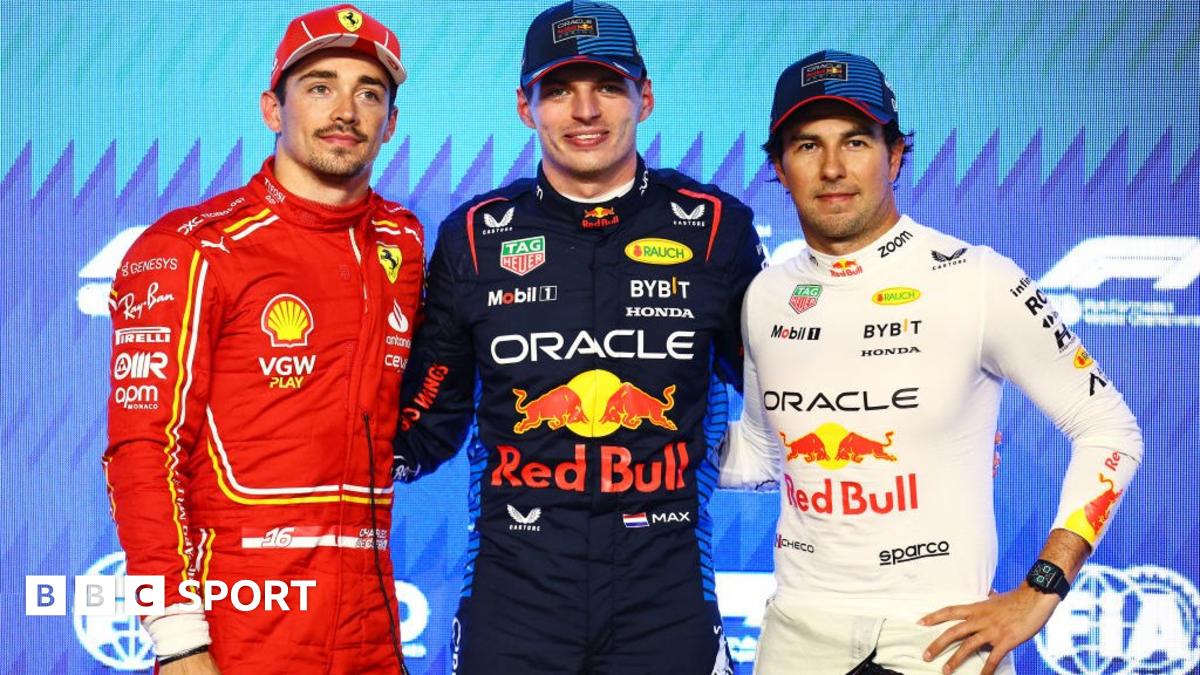
"Those ten fastest drivers will battle it out in Q3, with the quickest earning pole position for the Grand Prix," said an experienced team manager. Securing pole position can be a game-changer in a race, making this final session crucial for drivers aiming for a strong start.
> "Those ten fastest drivers will battle it out in Q3, with the quickest earning pole position for the Grand Prix,"
Qualifying
As qualifying concludes, another significant aspect comes into play: the introduction of 'parc ferme' conditions. This term indicates that once the qualifying session begins, teams can no longer make substantial changes to their cars. "The timing is critical; if a driver doesn't have their car optimally set up before qualifying, they risk being locked into a disadvantageous configuration for both qualifying and the race," remarked a former driver turned analyst. Only very minor adjustments can be made, emphasizing the importance of getting everything right beforehand.
> "The timing is critical; if a driver doesn't have their car optimally set up before qualifying, they risk being locked into a disadvantageous configuration for both qualifying and the race,"
With modifications in the qualifying structure and rules for 2026, it's essential for teams and drivers alike to adapt quickly. Observers have pointed out that this period presents both challenges and opportunities. As they prepare for the upcoming season, teams will need to strategize effectively to navigate the competitive landscape, especially with fresh entrants like Cadillac.
All eyes will be on how the teams utilize the new qualifying format in the 2026 season opener, particularly how Cadillac adapts. The stakes have never been higher, and the excitement surrounding the new competition structure indicates thrilling races ahead. With the final laps of qualifying setting up the race grid, each driver's performance in this hour might prove to be the difference between victory and defeat.
As the 2026 season rolls out, the dynamics of qualifying will play a pivotal role in how races unfold. Teams must not only focus on speed but also on strategic setups that can thrive under the increasingly competitive landscape of Formula 1.
In conclusion, the evolving nature of qualifying in F1 underscores the sport's commitment to enhancing competition and excitement for fans. With 11 teams contending for supremacy, the upcoming races promise to deliver unparalleled drama on the track.
Source: the-race.com