With the 2026 season fast approaching, McLaren arrive as reigning Constructors’ Champions pursuing a third straight crown under one of the biggest regulation overhauls in modern Formula 1. History offers a mixed picture of how title-winning teams handle resets: some convert continuity into more silverware, while others are quickly displaced.
A glance back to 1960/61 underlines how transformative technical shifts can be. Cooper captured the 1960 International Cup for Manufacturers’ (as the constructors’ title was then known), but for 1961 engine capacity was reduced from 2.5 litres to 1.5 litres and a minimum car weight was introduced. Ferrari, third in the previous campaign, surged to the front with its famed 156 ‘Sharknose’ and an evolution of its F2‑spec 1.5‑litre V6. Cooper slipped to fourth as several British teams struggled for outright performance, and Phil Hill and Ferrari ultimately took the honours under the new engine formula.
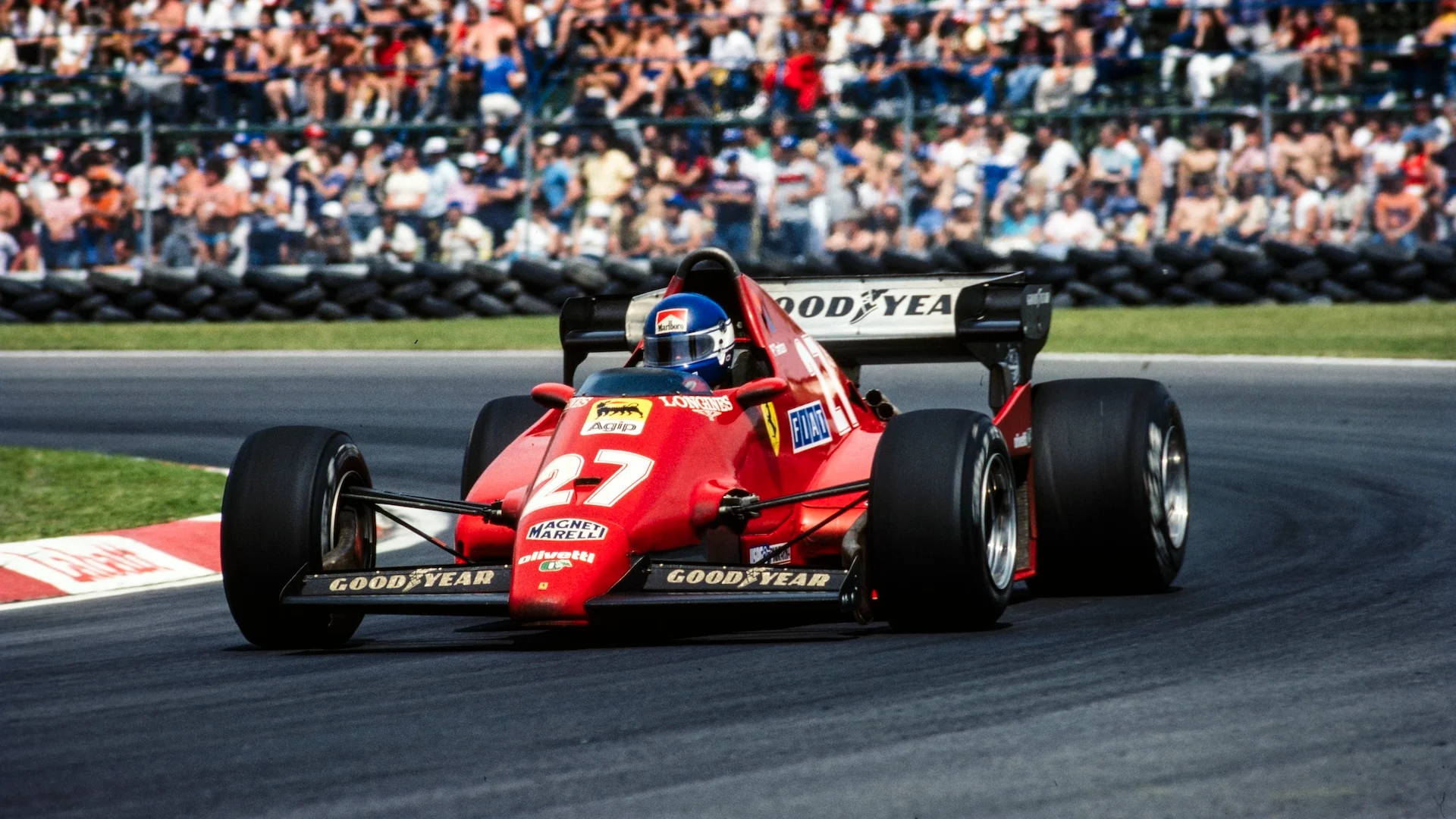
The 1982/83 period brought another profound reset as ground effect cars were outlawed for 1983 and flat-bottom designs mandated amid concerns over escalating cornering speeds. Ferrari had claimed the 1982 teams’ title in tragic circumstances, following Gilles Villeneuve’s death during Belgian Grand Prix qualifying and Didier Pironi’s career-ending injury in German Grand Prix practice. Despite the rule change, Ferrari remained a front-running force and retained their crown in 1983, their consistency through Rene Arnoux and Patrick Tambay holding off Brabham and Renault, who mounted their bids largely via Nelson Piquet and Alain Prost respectively.
McLaren faced a different kind of test across 1988/89. In 1988 the team crushed its rivals with the Honda-powered MP4/4, missing victory only once in a 16-race season. Turbo engines were then banned for 1989 and Honda switched to a 3.5‑litre naturally aspirated V10, yet the champions scarcely stumbled. McLaren again secured both titles, with attention as much on the deteriorating relationship between Ayrton Senna and Alain Prost as on the technical reset itself.
The sport rewrote several key rules for 1994, prohibiting a raft of driver aids—including traction control and anti-lock braking—and introducing in‑race refuelling, changes that comprehensively altered the dynamics of Grand Prix competition. Even amid upheaval, Williams retained the teams’ title during a season marked by shock and sorrow following Ayrton Senna’s death at the San Marino Grand Prix. Benetton led early, powered by a string of wins for Michael Schumacher, but Williams rallied; although Damon Hill lost the Drivers’ crown to Schumacher, Nigel Mansell’s victory at Adelaide sealed the Constructors’ championship for Williams.
Further disruption arrived for 1998. Williams had set the benchmark in 1997, but a swathe of new regulations—including narrower cars and the introduction of grooved tyres—shifted the competitive balance. The changes unsettled the champions and allowed McLaren to capitalise.
Across these eras, there is no single template. Reigning teams have sometimes carried their momentum through sweeping resets—Ferrari in 1983, McLaren in 1989, Williams in 1994—while others, like Cooper in 1961, found themselves usurped by rivals who mastered the new brief more quickly. As 2026 dawns, McLaren’s bid for a hat-trick will hinge on whether they can translate their current edge into a package that thrives under the fresh rules.
What to watch next: The opening phase of the season will reveal whether the champions have navigated the latest overhaul as effectively as history’s most resilient title defenders.
Source: formula1.com