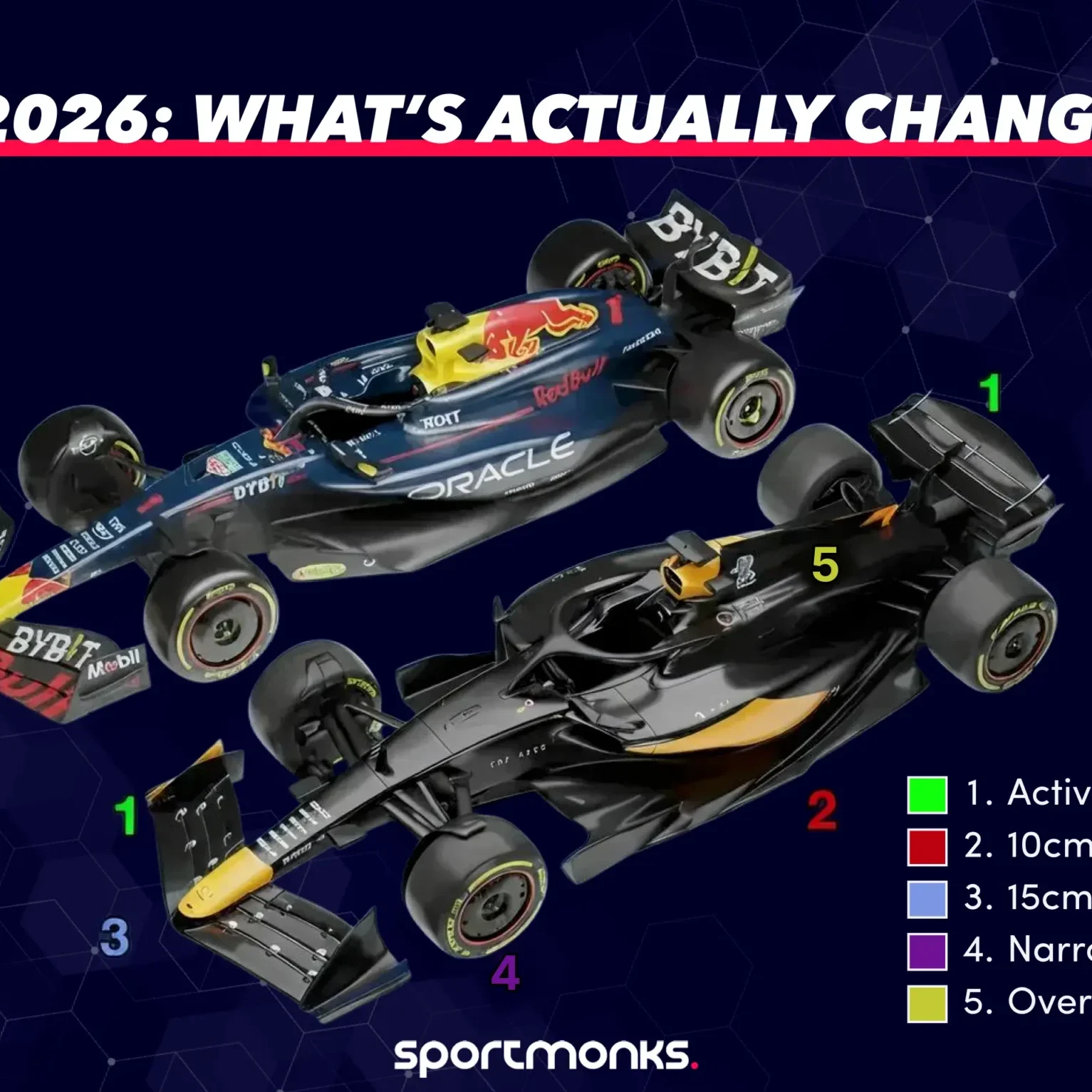
The 2026 Formula 1 season, while still on the distant horizon, is already casting a long shadow over the current paddock. The monumental regulatory shift scheduled for that year has team principals and drivers alike planning far in advance, creating a whirlwind of strategic moves and countermoves in the driver market.
Mercedes team principal Toto Wolff finds his name frequently mentioned in connection with the coveted seat of his star driver, George Russell. The Austrian has been vocal about his long-term vision for the team's driver lineup.
Wolff stated, "We have a fantastic driver in George, and we are building for the future with him." This clear endorsement solidifies Russell's position as a cornerstone of the Silver Arrows' project moving forward.
The other half of the Mercedes garage, however, remains a topic of intense debate. The future of Lewis Hamilton, a driver synonymous with the team's success, continues to be a source of global fascination. Wolff has consistently emphasized a methodical approach to these crucial decisions.
"Lewis's future is a topic we will address in due course," Wolff remarked, reinforcing his preference for a measured timeline over rash announcements. This calculated patience suggests negotiations are ongoing behind the scenes.
Across the paddock, Red Bull team principal Christian Horner is navigating his own set of challenges and opportunities. The energy drink-owned squad appears to have stability with Max Verstappen, but the second seat often fuels the rumor mill.
Horner recently made a pointed comment regarding the team's philosophy, noting, "We always look to have the best two drivers we can in the car." This statement keeps all options open, from retaining Sergio Pérez to evaluating the prodigious talent within their own driver academy.
The 2026 regulations, which promise a new era of power units and aerodynamic rules, are a primary catalyst for this early strategizing. Teams are not just selecting drivers; they are assembling technical partnerships and long-term projects they believe will thrive under the new conditions.
This environment makes contract discussions more complex than ever. Performance clauses, technical input, and long-term compatibility are all weighed heavily, far beyond mere race results.
For mid-field teams and those aiming to join the grid, the situation is equally fluid. Securing a driver who can develop a car over multiple seasons is paramount, making experienced veterans and promising rookies equally valuable commodities.
The coming months are expected to bring a cascade of confirmations as the grid begins to take shape. Until then, the F1 world will remain captivated by every hint and whispered negotiation, proving that in Formula 1, the race off the track is often just as compelling as the one on it.
Source: skysports.com