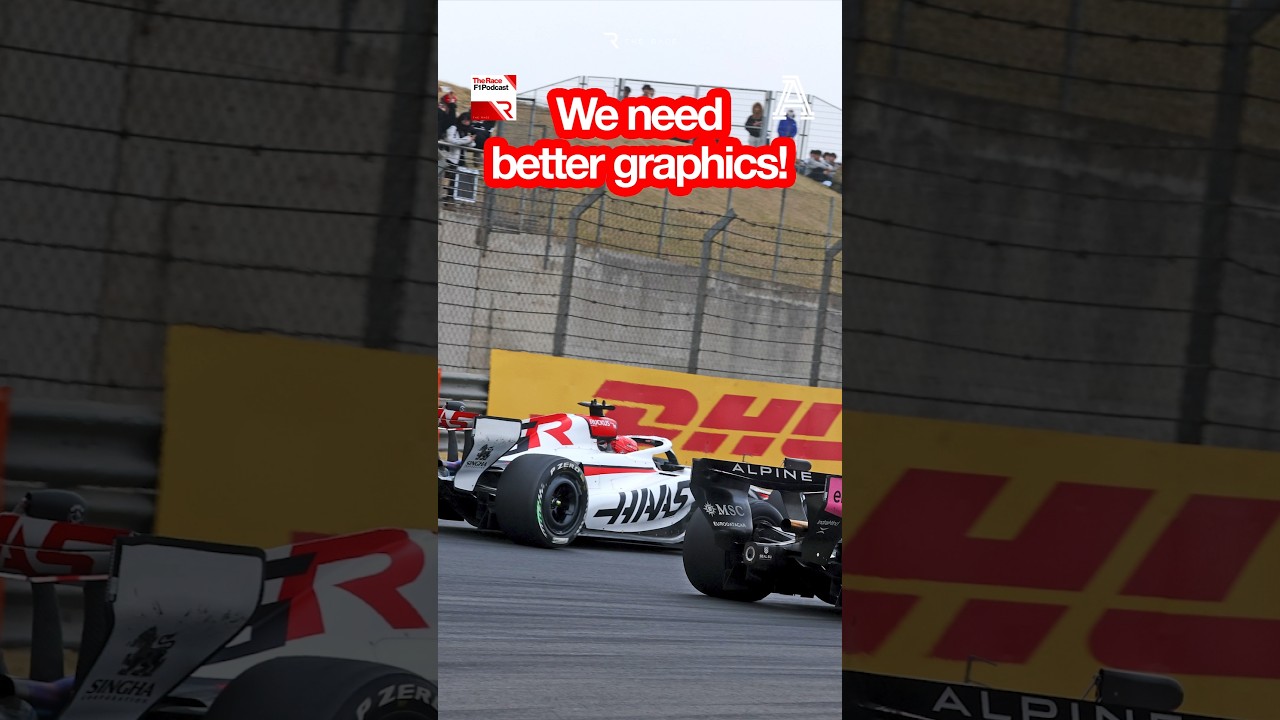
There are two Formula 1 conversations running in parallel through the spring of 2026, and they barely speak to each other. The first is the driver-led revolt against the new power unit regulations - the talk of yo-yo straights, dying battery deployment, qualifying laps that punish the most committed lap of the day. The second is harder to hear from the broadcast booth, but it is the conversation Liberty Media has been quietly waiting all year to have. The crowds, by every available metric, are loving it.
The pundit class has started to say so out loud. Asked at Suzuka whether the grandstand reaction to the new on-track product backed up the Liberty pitch that had pushed these regulations through, one of the weekend's analysts framed it bluntly.
"You can see and hear that the crowds in the grandstands are going ballistic when they see this much more overtaking. And that will mean something to F1, because they make a lot of money out of race promoters and hundreds of thousands of people coming through the gates to watch it."
That is the part of the 2026 conversation that the driver pushback obscures. The regulation's headline feature - manual energy override, harvested down the straights, dumped into a one-shot overtake assist - has produced more wheel-to-wheel passes through the opening rounds than F1 has averaged at any point in the ground-effect era. The crowd response, which can be heard on every long-shot drone pass of the grandstands, has been audibly larger than in 2025.
Kimi Antonelli, asked at Suzuka whether the new system would deliver a passable race even on a tighter circuit than China or Melbourne, gave a tellingly mixed answer that drew the same line from inside the cockpit.
"We've seen obviously how much easier it is to follow, and obviously when you get the overtake mode, how much more battery you can harvest and then deploy in the straights. So you never know - it can give good racing. But still, I think it can be a bit harder."
That tonal split - drivers complaining about Q3 and the qualifying experience, fans loving the racing - has shaped the FIA's response. The tweaks signed off ahead of Miami have been targeted explicitly at the qualifying-lap experience and the safety implications of the closing-speed deltas, not at the overtaking. None of the proposed adjustments take aim at the manual override system. None of them touch the parts of the package the crowd is reacting to.
The sport's commercial side has noticed the same things the broadcasters have. Race promoters from Shanghai to Suzuka have been trading notes on grandstand response, and the early read - confirmed by hospitality bookings and next-year deposits - is that the 2026 product has reset the live-audience case in F1's favour. That is the dollar-and-cents version of the pundit's 'going ballistic' line, and it is the version Stefano Domenicali was always going to want.
Max Verstappen, the most vocal of the regulation's critics, has not denied that the racing has changed. His objection has been to a different question: whether what the cars are now doing should still be called Formula 1. He returned to the theme at Suzuka.
"You can have a bad balance, but that, of course, doesn't take away how we have to race - and in general the whole system. I commented on that already a few times, you know, so that is the limitation. I think a lot of drivers [are speaking out]."
The tension is not resolvable inside the current rule set. The drivers are arguing that the cars, as currently regulated, are taking too much of the racing decision-making out of their hands. The fans, plainly enough, do not share that grievance because what they are actually experiencing is more passes per race. The two complaints are not even about the same thing. One is a craft argument. The other is a product argument. And in modern F1, the product argument tends to win.
What the next set of regulation tweaks will have to do is reconcile those two without conceding either. The closing-speed adjustments and the qualifying-format ideas flagged through the Miami summit are aimed at the craft side. The fan-reaction data is what allows the FIA to keep the overtaking-assist mechanic in place while it does so. The drivers' loudest complaint is, in commercial terms, the loudest endorsement F1 has had in years - and the body that writes the rules has to find a way to live with both.
For now, the only people who can be unambiguously credited with winning the 2026 regulation argument are the ones in the grandstands. They are not on Twitter. They are not in a press conference. They have, however, been the loudest voice in every venue the sport has visited.
Source: youtube.com