<p>The 2026 Formula 1 regulations are under intense scrutiny after a series of alarming incidents have forced the FIA into emergency action, with drivers demanding urgent changes to rules they say are compromising safety on track.</p>
<p>The crisis reached a tipping point at the Japanese Grand Prix when Oliver Bearman was involved in a frightening incident caused by the speed differentials created by the new power unit regulations. The 2026 cars rely on a 50/50 split between internal combustion and electrical power, but when the battery depletes mid-straight, drivers experience a sudden and dramatic loss of speed — creating closing rates that have left the paddock deeply concerned.</p>
<h2>Sainz Warns of Street Circuit Danger</h2>
<p>Carlos Sainz was among the most vocal critics, painting a vivid picture of what could happen if such an incident occurred at a less forgiving venue.</p>
<p>"If this happened in Baku or a street circuit Singapore where there wasn't a runoff area, you know, where someone would have just gone into the back of somebody else and maybe a car's fle like it could have been a really different outcome," Sainz said.</p>
<p>The Williams driver's warning carries particular weight given the calendar includes multiple street circuits where barriers line the track and runoff areas are minimal. A sudden speed differential of the kind seen at Suzuka could have catastrophic consequences in those environments.</p>
<h2>Norris and Leclerc Expose Loss of Driver Control</h2>
<p>McLaren's Lando Norris revealed the unsettling reality of driving the 2026 machinery, explaining that the automated energy deployment systems have taken key decisions out of drivers' hands.</p>
<p>"He couldn't stop the car from deploying energy, even when he didn't want to overtake," Norris said, highlighting how the systems override driver input at critical moments.</p>
<p>Charles Leclerc's experience in qualifying further illustrated the issue. The Ferrari driver made an error during his lap, yet the car's systems compensated so effectively that "a mistake in qualifying didn't even cost him time." While that might sound beneficial, it raises fundamental questions about the role of the driver in modern Formula 1.</p>
<p>"If the car decides when to deploy power, if it dictates overtakes, if it even smooths out mistakes, what exactly is the driver doing? Is this still Formula 1 or is this just AI racing?" asked Grand Prix Unfiltered, echoing a sentiment shared by many in the paddock.</p>
<h2>Verstappen's Warnings Vindicated</h2>
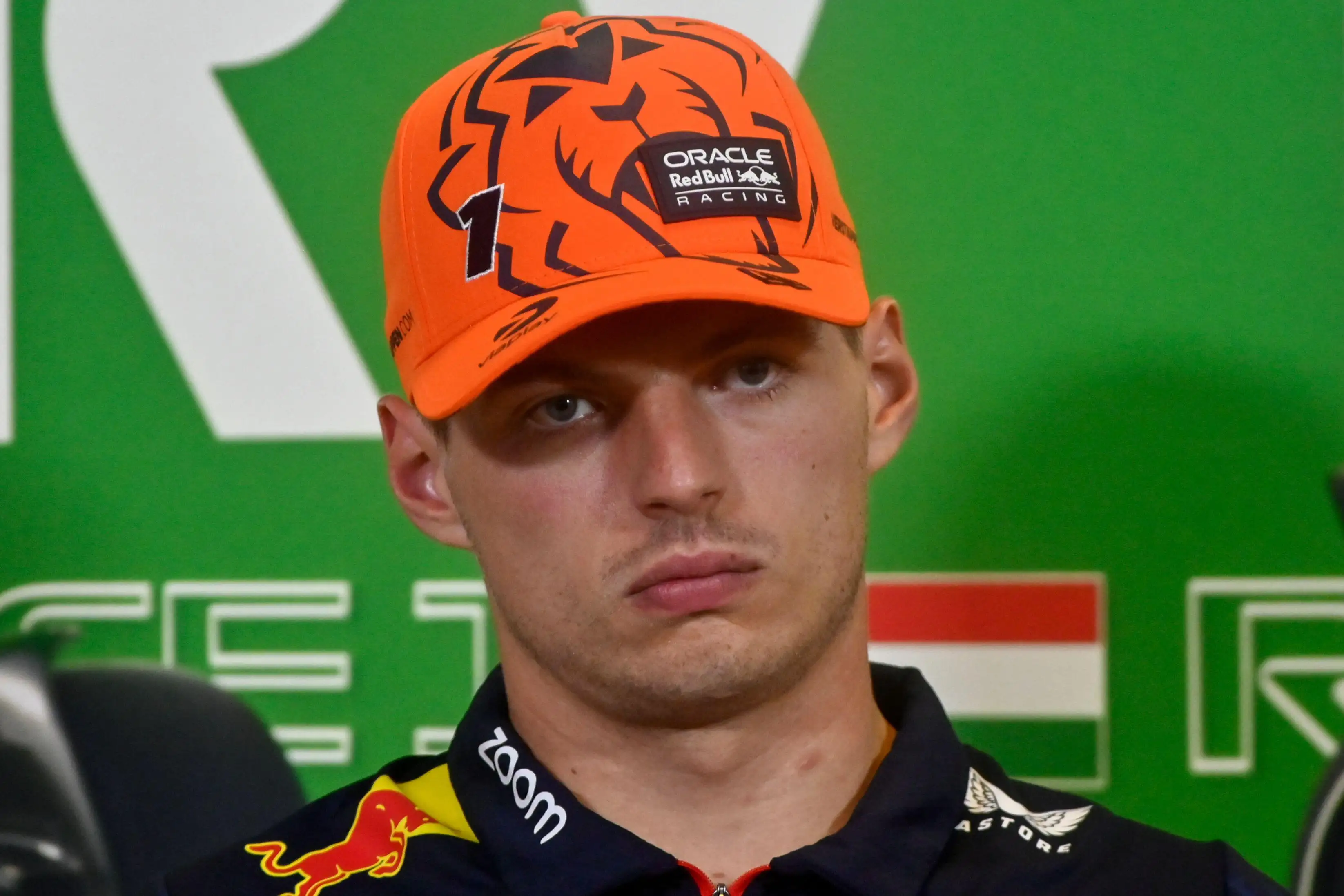
<p>Perhaps the most pointed commentary surrounds Max Verstappen, who warned about the 2026 regulations as far back as 2023 — only to be largely dismissed at the time.</p>
<p>"26 is not that far away and it looks very bad from all the numbers and what I see from the data already," Verstappen said back then. He added that "the 2026 cars looks pretty terrible. Whoever has the strongest engine will have a big benefit."</p>
<p>Three years later, those predictions have proven prescient. The four-time world champion has been knocked out in Q2 at Suzuka and finished eighth in races he previously dominated. His Red Bull team has struggled to adapt to the new power unit formula, lending credibility to his earlier concerns.</p>
<h2>FIA Emergency Response: Six Proposed Fixes</h2>
<p>The FIA has responded by calling an emergency meeting with stakeholders to explore six potential solutions to the regulation issues. According to reports, the proposals include increasing super clipping power from 250 to 350 kW, reducing maximum deployment, lowering qualifying energy recovery limits from 9 to 6 megajoules, opening up active aerodynamics, increasing internal combustion power by 2027, and simplifying the overall rules package.</p>
<p>The most immediate change being discussed is shifting the power split from 50/50 to 60/40 in favour of the internal combustion engine, which would reduce the severity of the speed drops when electrical power runs out.</p>
<h2>What Comes Next</h2>
<p>The coming weeks will be critical as the FIA works with teams and the commercial rights holder to agree on modifications before the next race. With the safety of drivers at stake, the sport cannot afford to delay action.</p>
<p>The irony is not lost on the paddock: regulations designed to make F1 more sustainable and technologically advanced have instead created a situation where algorithms, not drivers, are controlling the racing — and putting lives at risk in the process.</p>
Source: youtube.com