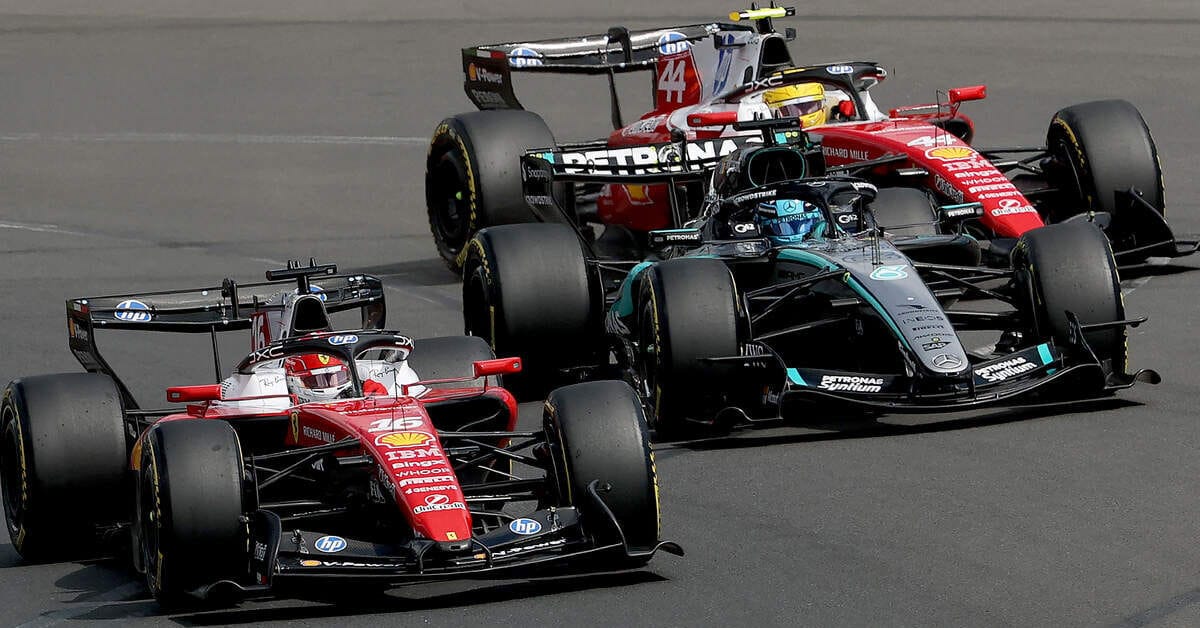
The FIA, Formula 1 teams and power unit manufacturers have agreed a suite of updates to the 2026 regulations, aiming to refine energy management, improve safety and ensure more consistent performance after the opening three rounds of the season. Most of the measures are targeted for introduction at the Miami Grand Prix, with race-start changes to be trialed first during the event.
The decisions follow a series of meetings involving team technical personnel, the governing body and a group of driver representatives, who assessed feedback and data from the first three races. The package will now go to an electronic vote by the FIA World Motor Sport Council with the objective of enacting the changes ahead of Miami on May 3.
Energy management has been a central focus. The maximum permitted energy harvesting is being reduced from 8 MJ to 7 MJ to curb excessive recovery and encourage more sustained flat-out running across a lap. As a result, the maximum duration of so-called “superclipping” is expected to drop by approximately 2 to 4 seconds per lap.
Complementing that, the peak power of the superclip has been lifted from 250 kW to 350 kW. The increase is intended to shorten recharge time and simplify energy deployment for drivers, and the new value will also apply during race conditions.
To improve flexibility across different track layouts, the number of events where lower energy limits can be applied rises from 8 to 12. This adjustment gives series organizers and teams more scope to match deployment profiles to circuit characteristics.
In race conditions, the maximum power available via the Boost system will be capped at +150 kW (or at the car’s power level at the moment of activation, if higher) to smooth out sudden performance gaps between competitors. The MGU-K will be allowed to deliver 350 kW in key acceleration zones—defined as the section from corner exit to the next braking point, including overtaking zones—but will be reduced to 250 kW in other parts of the lap.
These measures are designed to moderate closing speeds while preserving overtaking opportunities and maintaining the overall performance profile expected in modern Formula 1. The intent is to balance spectacle and safety without diminishing the competitive intensity of battles on track.
Race starts are also addressed through a new low-power detection system that monitors acceleration immediately after clutch release. If a car exhibits abnormally low acceleration, MGU-K power will automatically be activated to guarantee a minimum level of acceleration and reduce the risk of incidents, without conferring any sporting advantage.
An associated visual warning has been added: affected cars will display flashing rear and lateral lights to alert following drivers. Additionally, an energy counter reset at the start of the formation lap has been implemented to resolve a previously identified system inconsistency.
Several wet-weather updates complete the package. Intermediate tyre blanket temperatures will be increased, responding to driver feedback to improve initial grip and overall tyre performance in the wet. Maximum ERS deployment will be reduced to limit torque and enhance car control when grip is low.
Rear lighting systems in poor conditions have been simplified as well, introducing clearer and more consistent signals to improve visibility and reaction times for cars following in spray. Together, these changes target better safety and predictability in difficult weather.
What’s next: the proposals go to an FIA World Motor Sport Council e-vote with the aim of applying them for Miami on May 3. Race-start procedures will be tested during the Miami weekend and introduced later following analysis of the collected data, making that event a key proving ground for the revised systems.
Source: scuderiafans.com