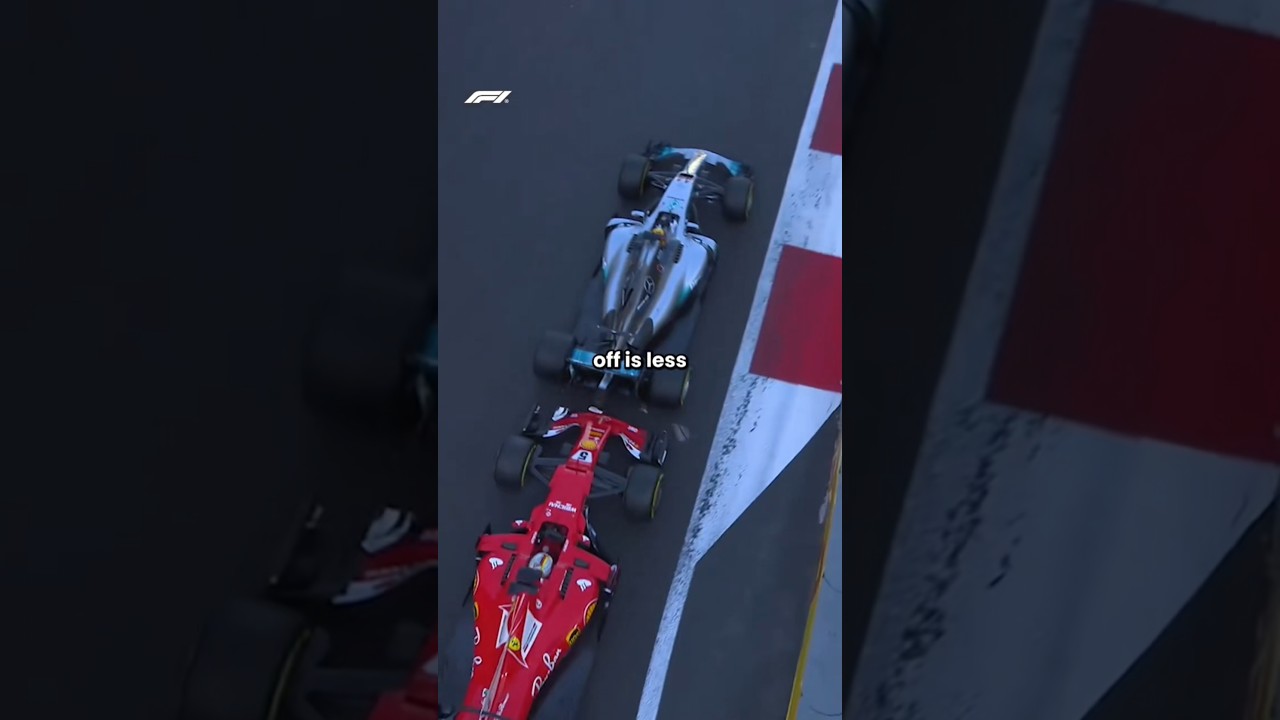
The numbers from pre-season testing were blunt. The fastest 2026 lap at Barcelona was nearly two seconds slower than the quickest 2025 benchmark at the same circuit — a gap that did not surprise the FIA but has blindsided teams, drivers and fans now watching the consequences play out race by race.
In a detailed analysis by the Red Sector YouTube channel, the drop-off has been traced back to a deliberate regulatory choice.
"During Barcelona testing, the fastest 2026 lap times were nearly two seconds slower than 2025's quickest times at the same circuit," the Red Sector narrator noted. "Teams knew the cars would be slower, but nobody expected this much of a drop off."
The explanation, according to Red Sector, lies in the trade the FIA made when it rewrote the power-unit and chassis rules together. Lighter, more efficient machines with a near-50/50 split between internal combustion and electric power were the headline goals. Downforce and mechanical grip paid the price.
"The FIA can't reverse course now because the regulations are locked in," the analysis concluded. "The reason for the slowdown is sustainability optics. The FIA wants F1 to appear more environmentally conscious, so they prioritise efficiency over raw performance."
That framing puts the FIA in an awkward position. Even as the governing body has convened emergency meetings over the so-called yo-yo effect — cars visibly surging and slowing along straights as battery energy is deployed and replenished — the underlying performance floor of the formula cannot be raised through simple in-season tweaks. The aerodynamic package, the weight targets and the homologated power-unit architecture are all in place until at least 2030.
The consequences are already showing up in the fan response. "Fans are already complaining that 2026 will be boring because slower cars mean less exciting racing," Red Sector observed, pointing to a growing backlash on social media around spectacle, lap speeds and the optics of overtaking manoeuvres that rely on battery state-of-charge rather than driver bravery.
Paddock figures have been careful with their language. Lando Norris, asked about the visible speed drop-offs on straights, said it hurt him to watch.
"It hurts your soul to see such a stark speed tail off on straights," Norris said. "It looks worst of all on the onboard cameras when they're working — with the painfully unmissable sound of the engine note falling away."
Charles Leclerc, facing a similar question, singled out the algorithmic sensitivity of the new deployment system. He described it as "a bit silly" that simply lifting off the throttle could place a driver outside the threshold required for full power, leaving him to "burn too much energy in the wrong part of the track."
Red Sector's broader argument is that the FIA walked into this knowing the performance cost and chose to accept it anyway. Sustainability was the north star. Lap time was expendable. What the governing body seems not to have fully anticipated is that a sport built on the perception of speed and danger does not easily absorb a two-second regression when the cameras are rolling.
Teams, for what it is worth, are not short of work. With the base regulation fixed, the competitive edge now lies almost entirely in how cleverly each outfit can mask the deficit — through energy management software, aero efficiency in the middle of corners and the kind of driver-led throttle discipline that Leclerc and Norris are both privately questioning.
For the FIA, the message from Red Sector's analysis is uncomfortable but clear. The 2026 regulations are not going backwards. The question now is how long fans will be willing to wait for them to feel fast again.
Source: youtube.com