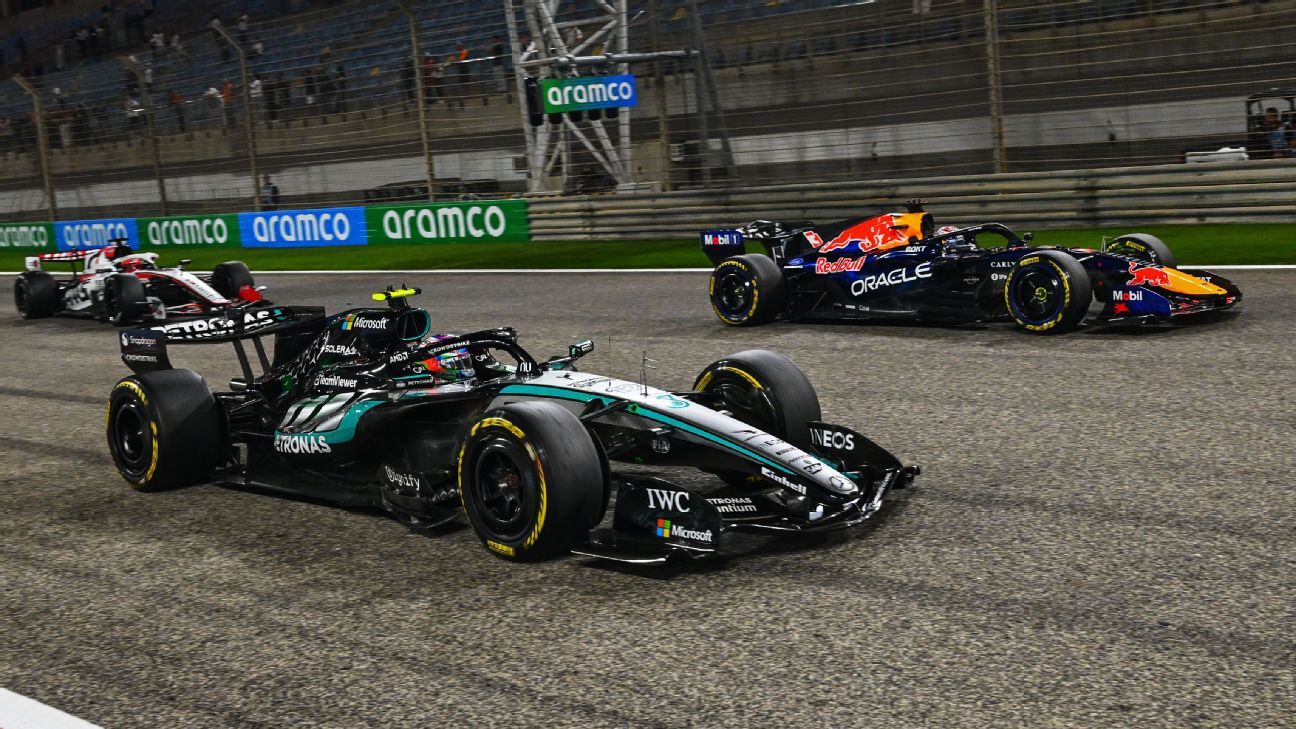
Formula 1 has embarked on its most comprehensive technical revolution in history with the introduction of sweeping new regulations for the 2026 season. The changes represent the sport's largest regulatory shift in decades, affecting every aspect of car performance from power units to aerodynamics and tire management.
The new rules mandate a radical transformation of the power unit, increasing electrical power output to 350kW while reducing internal combustion engine contribution. This shift toward greater electrification comes with a 100% sustainable fuel requirement, marking F1's commitment to environmental sustainability while maintaining peak performance.
Aerodynamic changes include significantly smaller and lighter cars, with wheelbase reductions of approximately 200mm and overall weight decreases of around 30kg. The simplified front and rear wings aim to reduce dirty air effects, potentially enabling closer racing and more overtaking opportunities.
Team principals have expressed both excitement and caution about the new regulations. "The 2026 changes represent the biggest engineering challenge we've faced in modern F1," said one technical director who requested anonymity. "The balance between electrical deployment and combustion power will completely change how we approach race strategy."
Drivers are adapting to the new driving characteristics, with increased focus on energy management and deployment strategies. The reduced aerodynamic downforce and changed weight distribution require altered driving techniques, particularly in high-speed corners and during overtaking maneuvers.
Tire supplier Pirelli has developed new compounds specifically for the 2026 cars, accounting for the different mechanical and aerodynamic loads. The reduced downforce levels mean tires will operate in different temperature windows, requiring revised setup approaches from teams.
The new active aerodynamics system introduces moveable front and rear wings that can adjust based on race conditions and energy deployment needs. This system aims to optimize straight-line speed while maintaining cornering performance, creating another strategic variable for teams to master.
Several teams have already indicated that the new regulations could reshuffle the competitive order. "This is an opportunity for teams that nail the new concepts to make significant gains," noted a senior engineer from a midfield team. "The learning curve will be extremely steep in the first season."
The 2026 season promises to showcase dramatically different racing dynamics, with increased emphasis on strategic energy management and potentially more variable race outcomes as teams adapt to the new technical landscape.
Source: espn.com