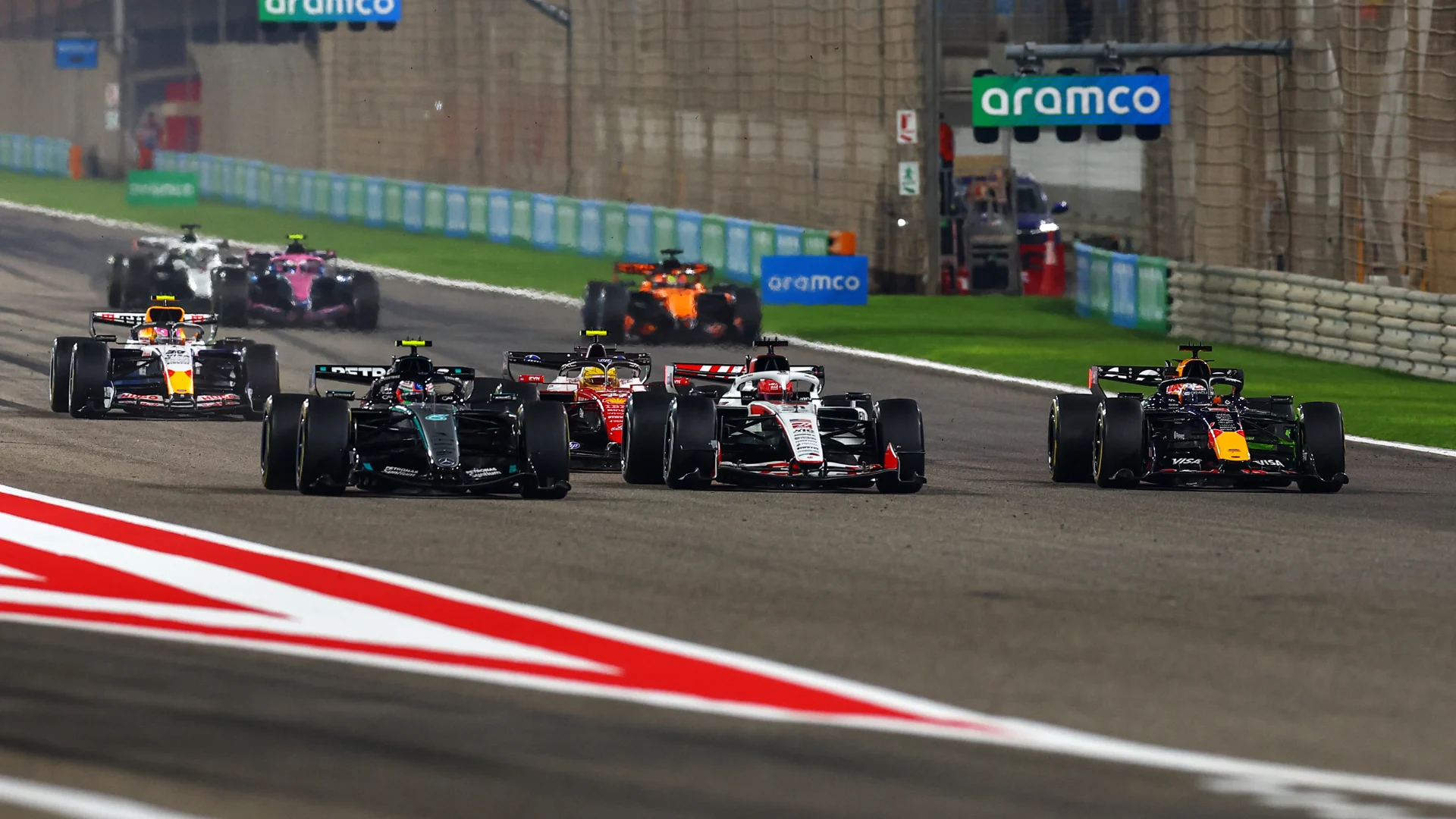
The 2026 Formula 1 season represents the most comprehensive regulatory transformation in recent memory, with sweeping changes affecting every aspect of car design, power units, and financial regulations. These modifications aim to create more competitive racing while advancing the sport's sustainability goals.
Car dimensions undergo significant reduction, with the wheelbase shortened by 200mm to 3400mm compared to 2025's 3600mm specification. The floor width decreases by 100mm, while tire dimensions also shrink substantially with front tires 25mm narrower and rears reduced by 30mm.
Weight reduction accompanies the smaller dimensions, with the minimum limit dropping from 800kg to 768kg. This decrease stems partially from the removal of the MGU-H (Motor Generator Unit – Heat) and the overall reduction in component sizes.
Aerodynamic philosophy shifts dramatically with the elimination of Venturi tunnels that previously generated ground effect performance. While floors still contribute significant downforce—particularly through enlarged diffusers—their dominance diminishes under the new rules.
Front and rear wings receive simplification treatments, wheel covers disappear entirely, and redesigned bargeboards now direct turbulent airflow inward rather than outward. This change specifically targets the reduction of "outwash" effects that previously disrupted following cars.
The power unit revolution represents perhaps the most technical transformation. The complex MGU-H disappears entirely, while the Internal Combustion Engine's output reduces to approximately 400kW. Conversely, the MGU-K (Motor Generator Unit – Kinetic) sees massive power increases from 120kW to 350kW, creating nearly equal power distribution between combustion and electrical systems.
Battery technology advances significantly, with recharge rates more than doubling previous 4MJ limitations. This enhancement supports the increased electrical output while maintaining race-distance energy requirements.
Financial regulations also evolve, with the budget cap increasing to accommodate development costs associated with the new rules. The change recognizes the substantial investment required to design completely new cars and power units.
Fuel technology takes a major step forward with the introduction of Advanced Sustainable Fuels, marking Formula 1's commitment to environmental progress while maintaining performance standards.
These comprehensive changes aim to address multiple objectives: improving racing quality through better following capability, reducing costs through simplified components, and advancing sustainability through new fuel requirements and more efficient power units. The 2026 season will reveal whether these ambitious regulations achieve their intended effects on competition and technological innovation.
Source: formula1.com