Formula 1's first of three scheduled meetings to address potential regulation changes for the remainder of the 2026 season will convene on Thursday, marking the initial step in a coordinated effort to refine the sport's most significant rule overhaul in history.
The meetings come amid widespread acknowledgment that the new regulations have generally produced positive racing effects, making major changes unlikely. Instead, technical leaders are expected to focus on detailed adjustments to power-unit operation rules that address specific driver concerns.
Thursday's initial gathering will involve senior technical figures discussing ideas to improve issues identified during the first three races of the season. A second technical meeting will follow approximately one week later to finalize proposals for consideration by the sport's leadership.
The final discussion, scheduled before the Miami Grand Prix on May 1-3, will include team principals, F1 president Stefano Domenicali, and FIA representatives. This meeting will debate the technical proposals and determine which changes to implement.
Discussions will center primarily on energy management challenges with the new power units, which feature a 50-50 split between internal combustion and electrical power. The combination of high electrical energy demands and relatively small batteries has created fundamental energy starvation issues for the cars.
The introduction of new 'overtake' and 'boost' modes, which provide additional electrical energy for on-track battles, has produced superficially positive racing effects. These systems have enabled extended multi-lap battles with frequent position changes between drivers.
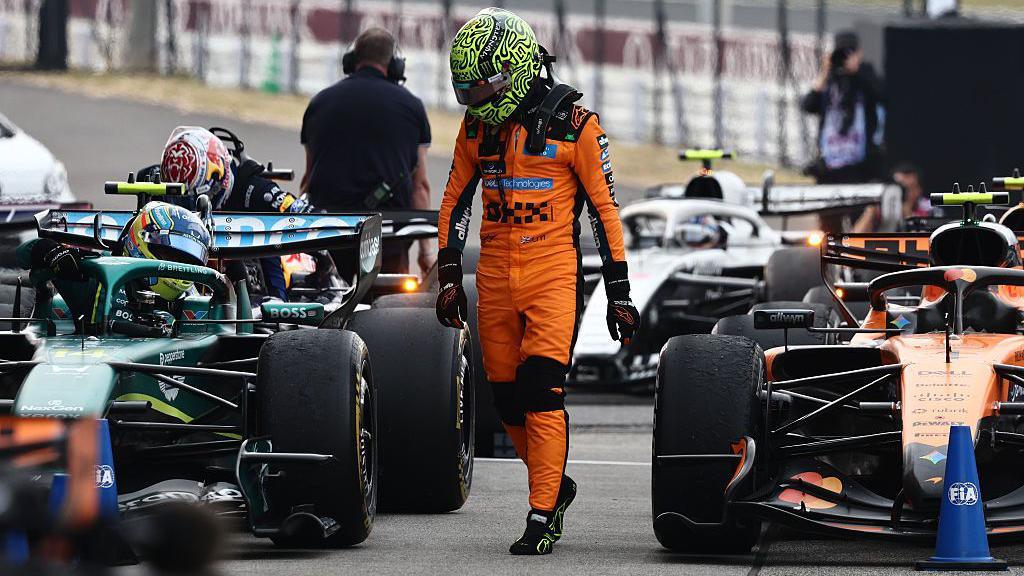
However, drivers have expressed concerns about the artificial nature of some overtakes, particularly when one car has electrical power to deploy while another does not. World champion Lando Norris and his predecessors Max Verstappen and Fernando Alonso have all voiced their concerns about the new regulations.
Drivers have also criticized how energy recovery requirements have diminished qualifying skills, particularly in the sport's most demanding fast corners. Examples include needing to "lift and coast"—lifting off the throttle before braking—during qualifying laps on certain circuits.
Other concerns involve energy recovery through high-speed corners where cars no longer operate at the grip limit, and "zero-kilowatt zones" where teams choose not to deploy electrical energy. One such zone was implemented in the Esses at Suzuka, considered one of the world's most challenging track sections.
These complexities prevent drivers from expressing their full ability to drive at the limit, which normally involves late braking, maximum cornering speeds, and early throttle application. Four-time champion Max Verstappen has gone as far as to admit he is considering his future in the sport because he no longer finds the driving experience rewarding.
The upcoming meetings represent F1's acknowledgment of these concerns while balancing the overall positive reception from fans. The outcome will likely shape how the sport evolves through the remainder of this groundbreaking regulatory era.
Source: bbc.com