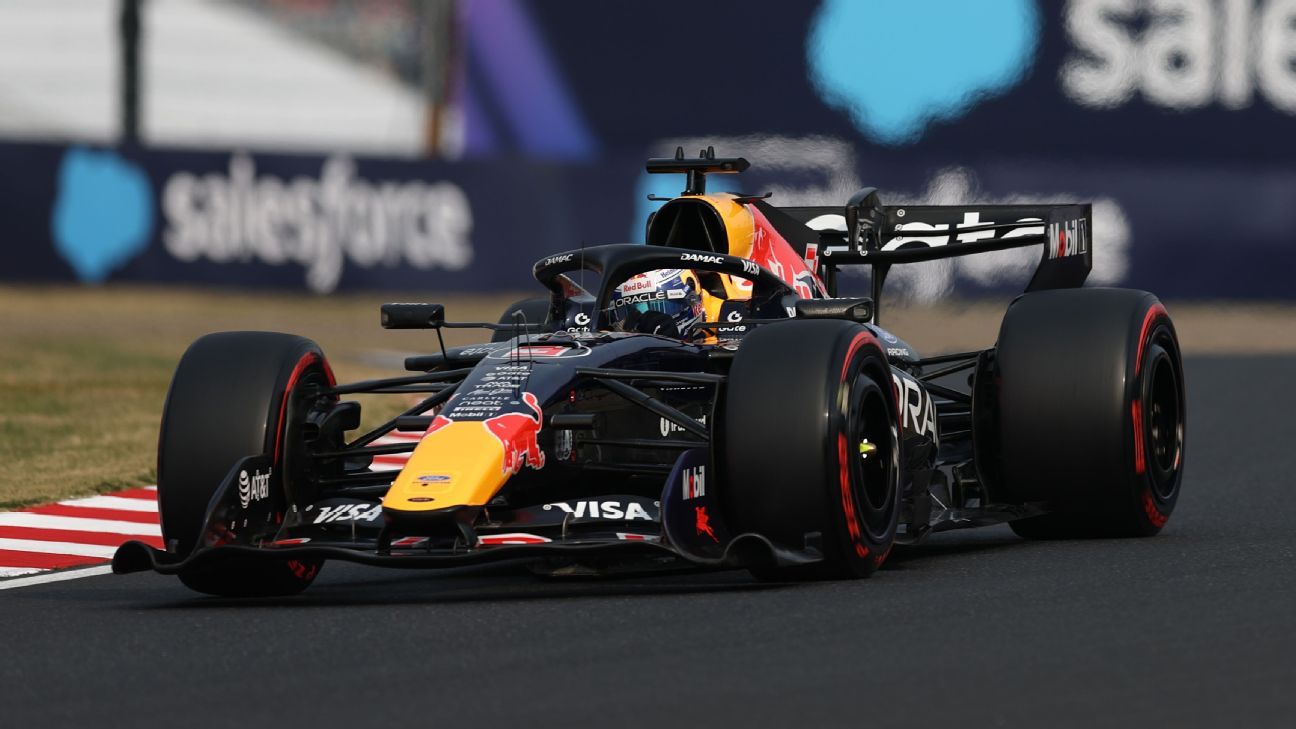
Formula 1 has commenced formal discussions regarding potential rule adjustments for the remainder of the 2026 season, responding to mounting criticism from drivers and teams about the sport's radical new technical regulations. The first of three scheduled meetings took place on Thursday, marking the beginning of what could become significant mid-season changes to address performance and safety concerns.
The 2026 regulations represent the most substantial technical overhaul in Formula 1 history, featuring a completely new power unit concept with a 50-50 split between combustion and electrical power. This fundamental shift has resulted in cars that require extensive battery harvesting and deployment management, fundamentally altering driving techniques and race strategies.
Drivers have been particularly vocal about the challenges posed by the new machinery. The requirement for extensive "lift and coast" driving to harvest battery energy has drawn widespread criticism from competitors who feel it compromises the purity of racing.
McLaren team principal Andrea Stella emphasized the need for safety considerations in any rule changes. "The priority must be ensuring these cars are predictable and safe in all conditions," said Stella, whose team has been at the forefront of analyzing the new cars' behavior.
The new regulations have created a dramatically different style of racing characterized by frequent position changes and unpredictable performance swings. While the racing has produced more overtakes, many drivers have expressed frustration with what they perceive as artificial competition.
Reigning world champion Max Verstappen has been particularly critical of the new era. "It's a bit late to be making changes now," Verstappen noted after recent races, reflecting the frustration many drivers feel about the fundamental nature of the new cars.
Lando Norris offered a vivid description of the current racing dynamic. "We're not really racing in the traditional sense—we're yo-yoing back and forth based on battery deployment and harvesting cycles," the McLaren driver explained.
The discussions will focus on whether technical tweaks can address the most pressing concerns without requiring fundamental redesigns that would be prohibitively expensive for teams. Any changes would need approval from the FIA and support from multiple teams to be implemented during the season.
Ferrari's strong early performance with the new regulations has added another layer of complexity to the discussions. Charles Leclerc has led testing times, suggesting the Italian team may have adapted best to the new requirements.
The outcome of these meetings could significantly impact the competitive order and address driver safety concerns that have emerged during the opening races. With the Australian Grand Prix highlighting several issues with the new cars, the pressure is mounting for solutions that preserve competitive racing while addressing the technical challenges that have dominated the early season.
Source: espn.com