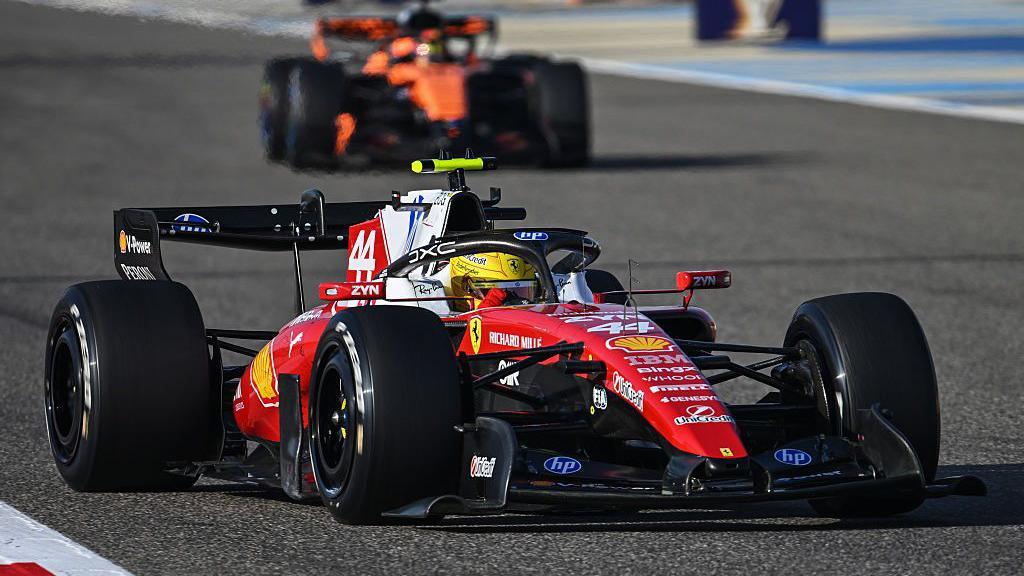
The 2026 Formula 1 season heralds the most significant technical overhaul in decades, with new power units, chassis, tires, and fully sustainable fuels transforming the sport. Cars are now smaller and more efficient, featuring engines with a nearly equal split between electric and internal combustion power—a move toward greater environmental sustainability.
A major shift comes with the replacement of the drag reduction system (DRRS) with an overtake mode, providing drivers a burst of electric energy when within one second of the car ahead. This change is facilitated by active aerodynamics, allowing both front and rear wings to adjust angles on straights to reduce drag and increase downforce in corners.
During pre-season testing in Bahrain, Ferrari's innovative rotating 'upside down' rear wing in straight-line mode drew significant attention. Reactions to the new regulations were mixed among drivers.
Four-time world champion Max Verstappen expressed concerns about the increased focus on energy management, stating the cars feel "like Formula E on steroids."
Seven-time champion Lewis Hamilton acknowledged the complexity, saying, "The new rules make F1 ridiculously complex," though he added that the cars were "more fun" to drive.
The 2026 grid features just one rookie driver—18-year-old British teenager Arvid Lindblad, who partners Liam Lawson at Racing Bulls. Lindblad made history last year by becoming the youngest winner in Formula 2 history at 17 years and 243 days. He becomes the fourth youngest F1 driver in history behind Max Verstappen, Lance Stroll, and Kimi Antonelli.
Spain will host two Grands Prix this season with the addition of Madrid to the calendar. The Spanish Grand Prix moves to the purpose-built Madring circuit in the capital from September 11-13, while Barcelona retains its June 12-14 slot under the renamed Barcelona-Catalunya Grand Prix. From 2027, Barcelona will alternate with Belgium's historic Spa-Francorchamps circuit.
Red Bull Racing has promoted Isack Hadjar to partner Verstappen following Yuki Tsunoda's departure. The 21-year-old Frenchman earned his maiden podium with a third place finish at the Dutch Grand Prix during his rookie season with sister team Racing Bulls.
As teams finalize their preparations for the Australian Grand Prix season opener from March 6-8, the focus turns to how these revolutionary changes will impact racing dynamics and whether the new regulations will achieve their goals of improving overtaking and sustainability.
Source: bbc.com