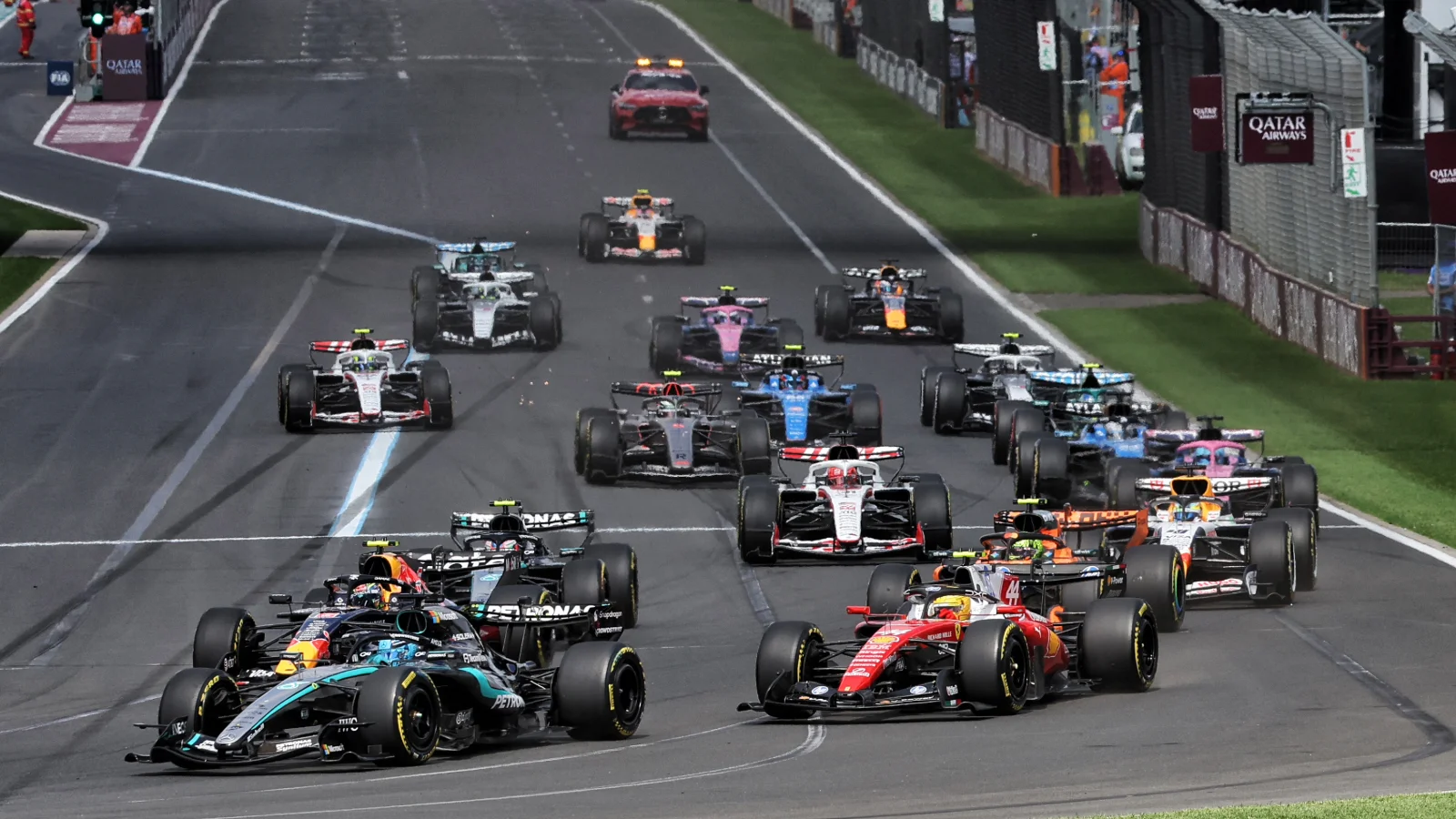
Modern Formula 1 fandom has evolved into a data-rich experience where predictions are increasingly based on comprehensive pre-race analysis rather than mere speculation. Fans now meticulously examine telemetry data from practice sessions, tracking speed metrics, braking performance, and cornering efficiency to gauge car balance and driver form.
The three practice sessions—FP1, FP2, and FP3—provide critical insights that shape fan expectations. Supporters compare lap times, analyze long-run consistency, and estimate fuel loads to predict race pace. This data-driven approach has transformed how audiences engage with the sport throughout race weekends.
Tire strategy analysis has become particularly crucial in fan predictions. The choices between soft, medium, and hard compounds frequently determine race outcomes, with Pirelli's tire data providing valuable information about degradation rates and grip levels. The FIA's regulations regarding tire usage limits add another analytical layer that fans must consider.
Qualifying performance offers initial clues about car potential, but experienced fans know that single-lap speed tells only part of the story. "Long runs tell a different story," noted one motorsport analyst. "These laps reveal race pace and tyre wear over time, which is often more indicative of Sunday performance."
External factors like weather conditions can dramatically alter predictions. Rain or strong winds can shift the competitive balance between teams, requiring fans to adjust their expectations accordingly. Historical track performance also plays a significant role, as certain drivers and teams traditionally excel at specific circuits.
This analytical mindset extends beyond race predictions, influencing how fans approach other decision-making processes. The careful evaluation of risk and reward—fundamental to F1 strategy—becomes applied thinking in various contexts. The comparison of numbers, trends, and historical outcomes develops into a habitual approach to complex decisions.
The same analytical rigor appears in evaluating promotional offers, where users examine terms and conditions with similar scrutiny. "When comparing free spins bonuses, experienced users often apply the same logic they use when analysing race data," explained a gaming industry observer. "They focus not just on headline numbers, but also on the underlying conditions behind the offer."
Users frequently examine wagering requirements, withdrawal limits, and expiration rules with the same attention to detail that they apply to tire degradation rates and fuel strategies. Platforms that provide structured comparisons help users understand the real value behind promotional mechanics, much like technical analysts breaking down race data.
The fundamental lesson remains consistent across domains: informed decisions stem from careful data analysis rather than impulsive reactions. As one motorsport enthusiast noted, "Success often depends on how well you read the data, not how fast you react."
This evolution in fan engagement reflects Formula 1's broader shift toward data transparency and accessibility. As teams and broadcasters provide more detailed information, fans' predictive capabilities continue to improve, creating a more sophisticated and engaged global audience.
Source: motorsportweek.com