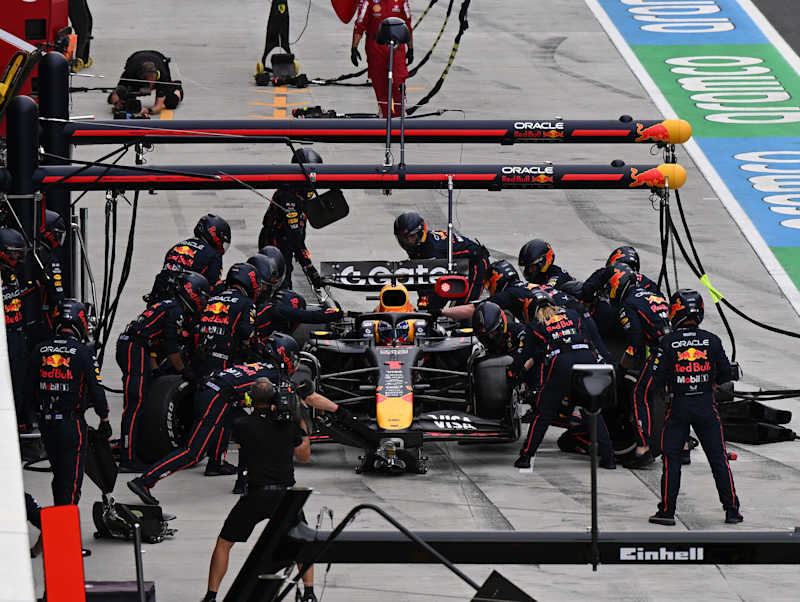
The Formula One paddock serves as the nerve center for teams during race weekends, housing garages, engineering stations, and strategy units where car setup, performance analysis, and regulatory compliance are meticulously managed. While drivers capture the spotlight, these operational hubs rely on extensive teams of specialized experts who fundamentally influence race outcomes and championship trajectories.
At the helm of each organization sits the Team Principal, who functions as chief executive and ultimate authority over daily operations, strategy, and performance. This role connects engineers, drivers, and owners to maintain team unity and accountability for both on-track results and off-track management.
Laurent Mekies, who became CEO and Team Principal of Oracle Red Bull Racing in July 2025 after previously leading the Visa Cash App Racing Bulls Team, embodies this multifaceted role. His journey began with early inspiration from attending the 1988 French Grand Prix with his father, which led him to pursue mechanical engineering and motorsport careers. Mekies brings a calm approach, strong technical background, and extensive strategic expertise to his position.
The Head of Sporting represents another critical leadership role, focusing specifically on trackside operations, regulatory compliance, and race-weekend logistics. This position acts as the primary liaison with the FIA and stewards while overseeing pit crew performance and ensuring sporting regulations are followed throughout events.
Engineering specialists form the technical backbone of paddock operations, managing car setup, performance optimization, and telemetry analysis. Their work directly impacts how vehicles respond to different track conditions and competitor strategies.
The Technical Director oversees broader car development and aerodynamic strategy, ensuring that long-term performance evolution aligns with competitive demands and regulatory frameworks.
Within the garage environment, the Chief Mechanic supervises operations and pit-lane readiness while mechanics handle the physical construction, maintenance, and repair of race cars. Their precision work during pit stops often determines race positions and championship points.
Data scientists complete the modern F1 team structure, analyzing race simulations and performance data to inform strategic decisions. Their insights help optimize everything from tire degradation models to fuel consumption patterns.
Together, these professionals create a seamless operational ecosystem where technical excellence, regulatory compliance, and strategic execution converge. Their coordinated efforts demonstrate that Formula One success extends far beyond driver skill, relying equally on the sophisticated expertise operating behind the scenes.
As the sport continues evolving with new technical regulations and competitive dynamics, the depth and specialization of paddock personnel will remain fundamental to achieving championship aspirations. The ongoing development of these roles will likely focus increasingly on data integration, real-time decision support, and adaptive strategy execution during race conditions.
Source: redbull.com