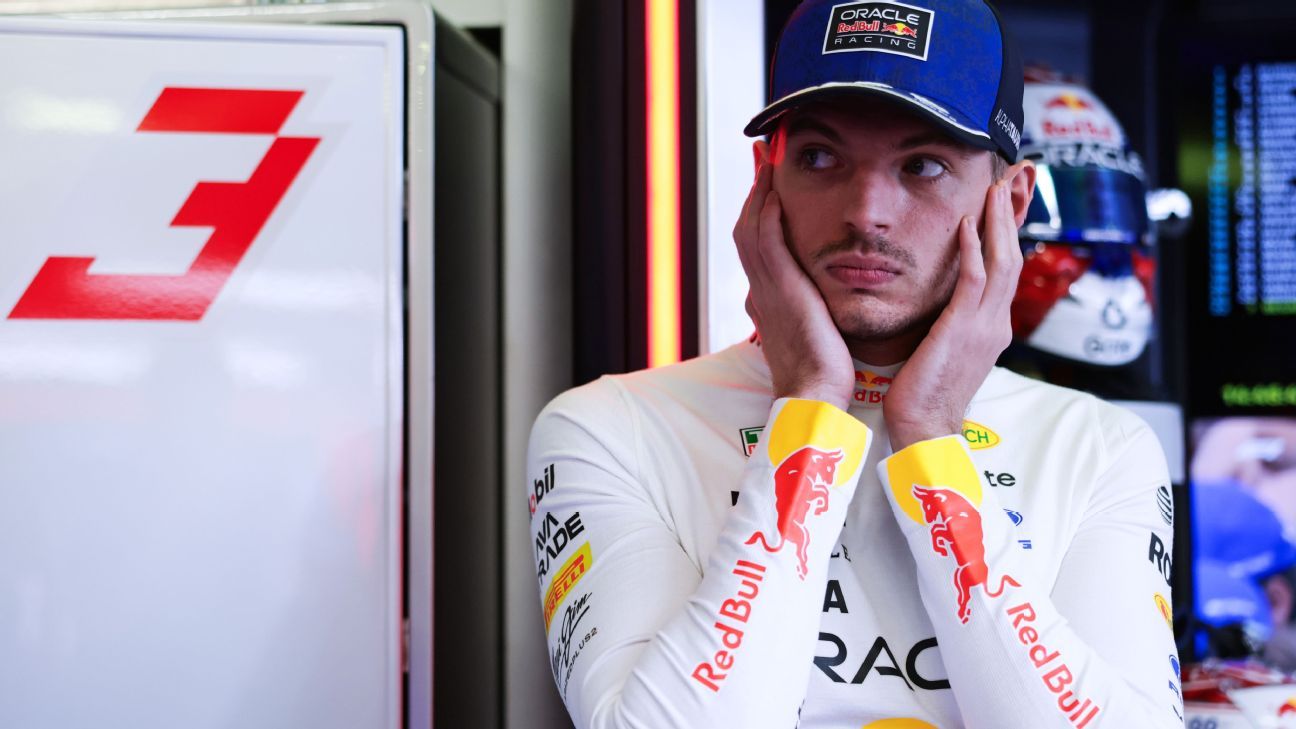
Max Verstappen has positioned himself as the leading voice of opposition against Formula 1's revolutionary 2026 technical regulations, delivering consistent criticism throughout the opening races of the season. The reigning four-time world champion's discontent centers on the sport's shift toward electrification and complex energy management systems.
The 2026 cars feature hybrid power units with a 50-50 split between combustion and electrical energy, introducing unprecedented focus on energy harvesting and battery deployment strategies. Drivers now manage power boost systems activated via steering wheel buttons, fundamentally altering race craft and car behavior.
Verstappen's frustration became apparent immediately during preseason testing and has remained consistent through the Australian and Chinese Grands Prix. His comments have generated headlines worldwide, creating a paradox where the sport's dominant driver appears at odds with the machinery he's competing in.
Other drivers have expressed similar concerns about the cars' single-lap performance characteristics, though several have softened their stance since racing resumed in Melbourne. Verstappen, however, has maintained his critical position without dilution.
The debate reached new intensity following the Chinese Grand Prix, where Lewis Hamilton offered a contrasting perspective. The seven-time champion defended the new regulations, suggesting they represent positive evolution for the sport.
Team principals and technical directors continue evaluating the new package's effectiveness, with some already calling for rule modifications before the 2027 season. The FIA maintains that the changes were necessary for sustainability and road relevance, though acknowledges teething problems are inevitable with such radical transformation.
As the season progresses toward European rounds, attention will focus on whether Verstappen's criticism influences future regulatory discussions or if teams simply adapt to the new reality. With development cycles already underway for 2027 cars, any significant changes would require swift consensus among stakeholders.
Source: espn.com